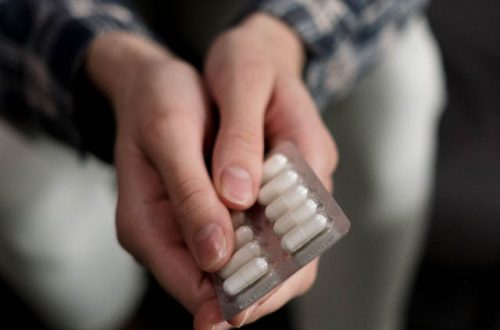
Fentanyl Addiction Treatment: MAT, Detox, And Rehab Explained
Fentanyl is one of the most powerful opioids in use today. While it is prescribed for severe pain, it is also widely available on the illegal drug market. Because fentanyl is 50 to 100 times stronger than morphine, even a small amount can cause overdose or death. This potency makes fentanyl addiction extremely dangerous and difficult to overcome without professional help.
The good news is that recovery is possible. With medical treatment, therapy, and long-term support, people struggling with fentanyl addiction can rebuild their lives. This guide explains the main treatment options: Medication-Assisted Treatment (MAT), detox, and rehab.

How Serious Is the Fentanyl Crisis?
The fentanyl crisis is a public health emergency. According to the Centers for Disease Controand Prevention (CDC), more than 73,000 overdose deaths in the U.S. in 2022 involved synthetic opioids like fentanyl【CDC, 2023】. This accounts for the majority of opioid-related deaths.
Fentanyl is often mixed with other drugs like heroin, cocaine, or counterfeit pills, making it even more dangerous. Many people consume fentanyl without knowing it, which increases overdose risk.
Step 1: Fentanyl Detox
What Is Detox?
Detoxification, or detox, is the process of clearing fentanyl from the body. Because fentanyl is so strong, withdrawal can be especially intense and should always be managed with medical support.
Common Withdrawal Symptoms
- ● Anxiety and restlessness
- ● Muscle aches and bone pain
● Sweating, chills, or fever
● Nausea, vomiting, or diarrhea
● Insomnia or fatigue
● Intense drug cravings
While fentanyl withdrawal is usually not life-threatening, it is extremely uncomfortable. Cravings
often lead to relapse if detox is attempted alone.
- Medical Detox Support
In a supervised detox program, doctors and nurses may:
● Monitor vital signs and manage dehydration
● Prescribe medications to ease withdrawal symptoms
● Provide emotional support and prepare patients for ongoing treatment
Step 2: Medication-Assisted Treatment (MAT)
MAT is considered the gold standard for treating opioid addiction, including fentanyl. It combines FDA-approved medications with counseling and behavioral therapies.
Common Medications in MAT
1. Methadone
- ○ A long-acting opioid that reduces cravings and withdrawal symptoms.
○ Taken daily under supervision at specialized clinics.
2. Buprenorphine (Suboxone, Subutex)
- ○ Partially activates opioid receptors, easing cravings without producing a strong
high.
○ Can be prescribed by certified doctors, making it more accessible than
methadone.
3. Naltrexone (Vivitrol)
- ○ Blocks opioid receptors, preventing fentanyl from producing a high.
○ Taken as a daily pill or monthly injection, but only after full detox.
Benefits of MAT
- ● Reduces cravings and relapse risk
● Improves survival rates for people with opioid addiction
● Increases engagement in therapy and recovery programs
● Helps individuals return to work, school, and family life
The Substance Abuse and Mental Health Services Administration (SAMHSA) notes that people receiving MAT are more likely to stay in recovery and avoid relapse【SAMHSA, 2021】.
Step 3: Rehab Programs
After detox and stabilization with MAT, rehab provides the emotional, behavioral, and psychological tools needed for long-term recovery.
Inpatient (Residential) Rehab
- ● Patients live at a treatment facility for 30–90 days or longer.
● Provides 24/7 support, structured routines, and intensive therapy.
● Best for those with severe addiction or unsafe home environments.
Outpatient Rehab
- ● Patients live at home and attend therapy sessions several times per week.
● More flexible and affordable than inpatient care.
● Works well for people with mild to moderate addiction and strong support systems.
Therapies Used in Rehab
- ● Cognitive Behavioral Therapy (CBT): Helps identify and change negative thoughts
and behaviors.
● Contingency Management (CM): Rewards drug-free progress.
● Motivational Interviewing (MI): Strengthens commitment to recovery.
● Family Therapy: Rebuilds trust and improves communication within families.
Step 4: Aftercare and Long-Term Recovery
Addiction recovery does not end after rehab. Ongoing support is essential to prevent relapse, especially with fentanyl’s high risk of overdose.
Common Aftercare Options
- ● Support Groups: Narcotics Anonymous (NA), SMART Recovery, or other peer-led
programs.
● Sober Living Homes: Provide structured, drug-free environments during the transition
back to daily life.
● Ongoing Counseling: Individual or group sessions to manage triggers and maintain
progress.
● Medication Continuation: Many people stay on methadone or buprenorphine long-term
for stability.
Relapse Risk
The National Institute on Drug Abuse (NIDA) reports that relapse rates for addiction are between 40–60%, similar to chronic illnesses like diabetes or hypertension【NIDA, 2018】.
Aftercare reduces relapse risk by providing accountability and continued support.
Supporting a Loved One with Fentanyl Addiction
Families and friends play a vital role in recovery. They can help by:
- ● Encouraging professional treatment instead of quitting alone
● Attending family therapy sessions
● Offering emotional support without judgment
● Learning how to recognize overdose signs (such as slow breathing, blue lips, or loss of
consciousness)
● Keeping naloxone (Narcan) on hand to reverse overdoses
The CDC recommends wider access to naloxone, which can save lives during fentanyl-related overdoses【CDC, 2023】.
When to Seek Professional Help
It may be time to seek treatment if:
- ● You experience withdrawal symptoms when not using fentanyl
● Cravings make it hard to control use
● Fentanyl use harms your health, work, or relationships
● You have experienced or witnessed an overdose
In the U.S., you can dial 988 to connect with the Suicide & Crisis Lifeline, or call SAMHSA’s
Helpline at 1-800-662-4357 for treatment referrals.
Conclusion
Fentanyl addiction is one of the most dangerous public health challenges today. Because of its strength and overdose risk, quitting without help is extremely difficult. Recovery, however, is possible with the right treatment plan.
The process typically begins with medical detox, continues with Medication-Assisted Treatment (MAT) to manage cravings, and expands into rehab programs for long-term healing. Aftercare, peer support, and family involvement help sustain recovery.

fashion-mommy
Welcome to the world of fashion-mommy, a world of fashion, lifestyle, theatre and fun. Enjoy the ride.