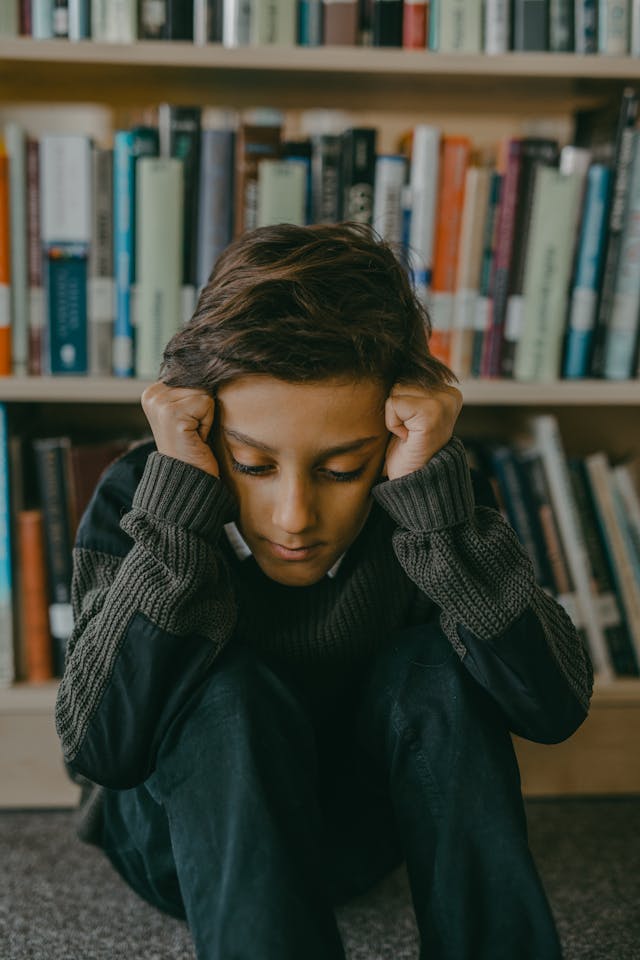
When To Worry: Spotting Signs Of Anxiety In Children
Children experience a wide range of emotions as they grow, excitement, fear, nervousness, joy. It’s perfectly normal for them to feel worried before a test or shy around new people. But when those worries become frequent, intense, or begin to interfere with daily life, they may signal childhood anxiety.
Anxiety is one of the most common mental health conditions in young people. Yet, because its symptoms can be subtle—or mistaken for typical developmental behaviours—it often goes unnoticed. Understanding when to be concerned and how to support your child is key to helping them thrive emotionally and mentally. I have teamed up with a private school in Staffordshire to share more information.

What Is Anxiety in Children?
Anxiety in children is more than just occasional worries or fears. It becomes a concern when it:
- Persists over weeks or months,
- Is more intense than expected for their age, or
- Interferes with school, friendships, sleep, or family life.
There are different types of anxiety, such as:
- Generalized Anxiety Disorder (GAD) – excessive worry about everyday things.
- Social Anxiety – fear of being judged or embarrassed in social settings.
- Separation Anxiety – intense fear of being away from parents or caregivers.
- Specific Phobias – intense fear of particular things (e.g., dogs, darkness, illness).
Signs of Anxiety in Children: What to Look For
Children don’t always have the words to explain what they’re feeling, so anxiety often shows up through behaviour, emotions, and physical symptoms.
- Emotional and Behavioural Signs
- Constant worry or asking repeated questions for reassurance
- Irritability or quick to anger over minor issues
- Avoidance of certain places, people, or situations
- Difficulty concentrating or appearing “spaced out”
- Meltdowns or panic during transitions or unexpected changes
- Physical Symptoms
- Frequent stomach aches, headaches, or unexplained pains
- Trouble falling or staying asleep
- Fatigue or restlessness
- Changes in appetite
- Rapid heartbeat or shortness of breath during stressful moments
- Social and School-Related Signs
- Reluctance to go to school or participate in activities
- Withdrawing from friends or family
- Perfectionism or fear of making mistakes
- Frequent complaints of feeling “sick” before school or events
When to Be Concerned
It’s time to seek support if your child’s anxiety:
- Occurs almost every day for more than a few weeks
- Interferes with their ability to function at school, home, or in social settings
- Causes significant distress or emotional pain
- Triggers panic attacks or extreme physical symptoms
Trust your instincts. If you feel something isn’t quite right, it’s okay to seek professional guidance. Early intervention can make a big difference.
How You Can Help Your Child
- Open the Lines of Communication
Let your child know it’s okay to talk about their feelings. Ask open-ended questions like:
- “What’s something that made you feel nervous today?”
- “Can you tell me what’s on your mind?”
- Validate Their Feelings
Avoid saying “Don’t worry” or “You’ll be fine.” Instead, acknowledge their emotions:
- “That sounds really hard. Let’s figure it out together.”
- “I see that you’re feeling worried, and that’s okay.”
- Create Routines and Predictability
Structure helps anxious children feel safe. Keep consistent daily routines and give advance notice of changes whenever possible.
- Teach Calm-Down Techniques
Practice breathing exercises, mindfulness, or visualization strategies together. Model calm behaviour in stressful situations.
- Seek Professional Help When Needed
School counsellors, paediatricians, or child therapists can provide assessments, support, and evidence-based strategies such as cognitive-behavioural therapy (CBT).
Anxiety Is Treatable—and You’re Not Alone
Childhood anxiety is real, but it’s also highly manageable with the right support. Recognizing the signs early and responding with understanding, patience, and professional guidance can empower your child to develop lifelong coping skills.
You are your child’s greatest ally. By noticing, listening, and acting with care, you’re already taking the most important step toward their emotional wellbeing.

fashion-mommy
Welcome to the world of fashion-mommy, a world of fashion, lifestyle, theatre and fun. Enjoy the ride.


