Getting Dressed Again: Small Style Rituals, Self-Esteem And Starting Over
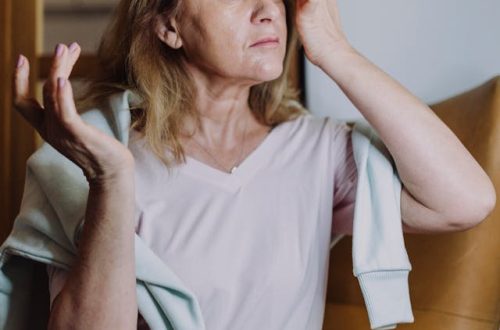
There’s a particular kind of wardrobe that belongs to a hard year. The same two pairs of leggings on rotation. Oversized jumpers chosen because they hide things. Make-up untouched in a drawer, jewellery tangled in a dish. Nobody plans it. It just happens when life gets difficult and getting dressed stops feeling like it matters.
For anyone coming out of a rough patch, whether that’s illness, grief, burnout or recovery from drinking or drug use, rediscovering an interest in how you look can be one of the first quiet signs that something is shifting. Call it vanity if you like, but more often it’s self-esteem slowly coming back online, and that’s worth paying attention to.
Why self-esteem takes such a battering
The NHS explains in its guidance on raising low self-esteem (last reviewed April 2023) that low self-esteem often starts in childhood, but stress and difficult life events can knock it further. It also notes something that will feel familiar to many: some people cope with low self-esteem through unhelpful habits, such as smoking or drinking heavily.
That can become a cycle. Feeling bad about yourself makes a drink or a distraction more tempting, and the aftermath leaves you feeling worse. Over time, small acts of self-care, like a proper shower, clean clothes or a bit of colour on your face, start to feel like effort for someone who doesn’t deserve it.
Breaking that cycle rarely happens in one dramatic moment, however much makeover programmes might suggest otherwise. It tends to happen through small, repeated choices that slowly change how you see yourself.
What the NHS suggests
The NHS lists several practical ways to raise low self-esteem. A few of them translate surprisingly well into everyday style and self-care:
Challenge negative beliefs. The NHS suggests writing down negative thoughts and looking for evidence against them, and making a list of at least five positive things about yourself, including compliments others have paid you. If “I look terrible in everything” is a familiar thought, it’s worth noticing how rarely it’s actually true.
Recognise what you’re good at. Maybe it’s pairing colours, finding a bargain or styling a scarf. Leaning into small strengths can lift your mood.
Be kind to yourself. Speak to yourself as you would to a friend. You wouldn’t tell a friend she looked a mess. Try not to say it to yourself in the mirror either.
Build positive relationships. Spend less time with people who bring you down, and more with those who appreciate you, including the friend who always tells you that colour suits you.
Give yourself a challenge. The NHS suggests setting achievable goals, like joining a class or going to a social event, to build confidence.
Small style rituals that help
None of this needs a shopping spree. In fact, buying lots of new things can become its own way of avoiding feelings. These small rituals cost little or nothing:
- Get dressed properly every morning, even on days you’re staying in
- Pick one item each week that makes you feel good and wear it on purpose
- Clear out clothes that remind you of a difficult time, and donate them
- Try one small, new thing, such as a different lipstick, a fresh way to tie your hair, or a brighter top
- Put together a “good day” outfit for days you need a lift
- Take a photo when you feel good, as a reminder for harder days
Looking perfect was never the aim. These are visible, everyday ways of showing yourself that you’re worth a bit of care, and on low days they can be the difference between staying in bed and getting out of the door.
When style isn’t enough
Rituals and routines can help, but they have limits. If low self-esteem is tied up with low mood, anxiety or a reliance on alcohol or other substances to cope, it’s worth getting proper support.
The NHS points out that talking therapies, such as counselling or cognitive behavioural therapy, can help, and that in England you can refer yourself to NHS talking therapies or ask your GP to refer you. If drinking or drug use has become a problem, a GP is also a good first step, and it’s important to get medical advice before stopping if you’ve been drinking heavily every day, as stopping suddenly can be risky.
Some people need more structured help to get back on their feet. Treatment centres increasingly see rebuilding confidence and self-worth as part of recovery, not an afterthought. One US provider, for example, describes a recovery programme that combines medical care and therapy with family work and creative, hands-on activities designed to help people feel like themselves again.
If you’re struggling right now, Samaritans are free on 116 123 in the UK and Ireland, any time of day or night. In the US, you can call or text 988.
Dressing for the person you’re becoming
There’s an old piece of advice to dress for the job you want. In recovery, and in any fresh start, it might be truer to say: dress for the person you’re becoming. Not because clothes change everything, but because choosing them with a little care is a small, daily way of saying you’re worth the effort. On some mornings, that’s exactly the reminder you need.
Sources
- NHS. Raise low self-esteem (last reviewed 11 April 2023; next review listed as due 11 April 2026, so check for a newer version). https://www.nhs.uk/mental-health/self-help/tips-and-support/raise-low-self-esteem/
- Arista Recovery. About us (client page; read October 2026). https://www.aristarecovery.com/about-us/

fashion-mommy
Welcome to the world of fashion-mommy, a world of fashion, lifestyle, theatre and fun. Enjoy the ride.