Helping Your Child Balance School, Friends, And Responsibilities
In today’s busy world, children are often juggling more than ever before. Between schoolwork, friendships, clubs, and responsibilities at home, it can feel overwhelming — for parents and children alike. Learning how to balance these different areas is an essential life skill, and with the right guidance, children can thrive both academically and socially without feeling under pressure.
Understanding the Pressures Children Face
School brings academic expectations, homework deadlines, and sometimes exam stress. Alongside this, friendships play a crucial role in a child’s emotional wellbeing. Children want to fit in, maintain relationships, and enjoy social time — all while meeting responsibilities at home such as chores, routines, or caring for siblings.
When these demands compete, children may feel stretched, anxious, or frustrated. Recognising these pressures is the first step in helping them find a healthy balance.
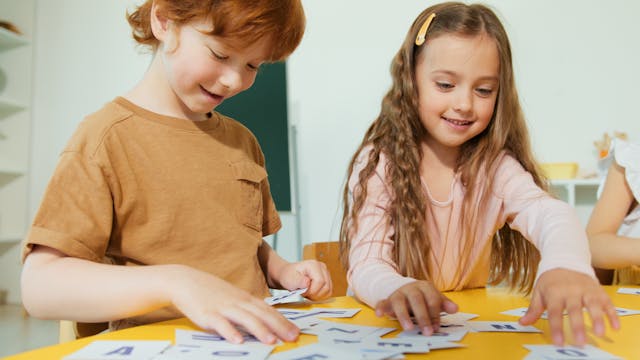
Creating a Consistent Routine
A clear and realistic routine can make a huge difference. Having set times for homework, meals, free time, and bedtime helps children understand what is expected and reduces daily stress. Routines provide structure, but they should still allow flexibility for social activities or downtime.
This private school in London recommends involving your child in creating their routine encourages ownership and helps them learn valuable time management skills. This also shows that their social needs are just as important as their academic ones.
Encouraging Open Communication
Children need to feel comfortable talking about what’s working and what isn’t. Regular check-ins give them the chance to express concerns about school pressure, friendship issues, or feeling overwhelmed by responsibilities.
Listen without judgement and avoid jumping straight to solutions. Sometimes children simply need reassurance that it’s okay to feel challenged and that support is always available.
Teaching Responsibility Without Overload
Age-appropriate responsibilities help children build independence and confidence. Simple tasks such as tidying their room, helping with meals, or organising school bags teach accountability and organisation.
However, it’s important not to overload children with too many responsibilities at once. Balance is key — responsibilities should support development, not add unnecessary stress.
Making Space for Friendships and Downtime
Social time is not a distraction from learning; it’s a vital part of emotional development. Friendships help children build communication skills, resilience, and empathy. Encourage healthy social interactions, whether through playdates, clubs, or simply time to relax with friends.
Equally important is downtime. Quiet time to read, draw, or unwind helps children recharge and improves focus when returning to schoolwork or responsibilities.
Leading by Example
Children often model what they see. Demonstrating healthy balance in your own life — between work, social time, and responsibilities — sends a powerful message. Showing that it’s okay to prioritise rest and enjoyment alongside commitments helps children develop a balanced mindset.
Supporting Balance for Long-Term Success
Helping your child balance school, friendships, and responsibilities isn’t about perfection. It’s about creating an environment where they feel supported, organised, and confident in managing their time. With guidance, understanding, and open communication, children can develop skills that will benefit them well beyond the classroom — setting them up for a happier, more balanced future.

fashion-mommy
Welcome to the world of fashion-mommy, a world of fashion, lifestyle, theatre and fun. Enjoy the ride.