Supporting Your Child Through Academic Setbacks
Academic setbacks are a normal part of every child’s learning journey. Whether it’s a disappointing test result, difficulty grasping a subject, or a drop in confidence at school, these moments can feel overwhelming for both children and parents. However, with the right support and mindset, setbacks can become valuable opportunities for academic growth and resilience.
Understanding That Setbacks Are Normal
It’s important to reassure your child that struggling at times is completely normal. Learning is not a straight path, and even the most capable students experience challenges. By normalising setbacks, you help reduce feelings of shame or failure and encourage your child to see difficulties as part of the process rather than a reflection of their ability.
Avoid comparing your child to peers or siblings, as this can increase pressure and anxiety. Instead, focus on their individual progress and effort, reinforcing the idea that everyone learns at their own pace.
Listening Before Fixing
When your child is upset about schoolwork, your first instinct may be to solve the problem immediately. However, listening is often more helpful than offering quick solutions. Give your child space to express how they feel and acknowledge their emotions without judgement.
Simple responses such as “That sounds frustrating” or “I can see why you’re disappointed” can help your child feel understood and supported. Once they feel heard, they may be more open to discussing next steps.
Focusing on Effort, Not Just Results
Praise plays a powerful role in how children view their abilities. Rather than focusing solely on grades or outcomes, highlight the effort your child has put in. Recognising perseverance, organisation, and willingness to try helps build a growth mindset.
This approach teaches children that success comes from learning and improvement, not from being perfect. Over time, they become more resilient and better equipped to handle future challenges.
Working Together With the School
If setbacks continue or begin to affect your child’s confidence, it may be helpful to communicate with their teacher. Schools can offer insight into classroom progress and suggest strategies or additional support where needed.
Approaching the situation as a partnership shows your child that they are not facing difficulties alone and that seeking help is a positive and proactive step.
Encouraging Healthy Balance and Wellbeing
Academic pressure can take a toll on a child’s wellbeing. Ensuring they have time to rest, play, and enjoy activities outside of school is essential. A balanced routine supports concentration, motivation, and emotional health.
Encourage healthy sleep habits, regular exercise, and moments of relaxation. These factors often have a significant impact on academic performance and confidence.
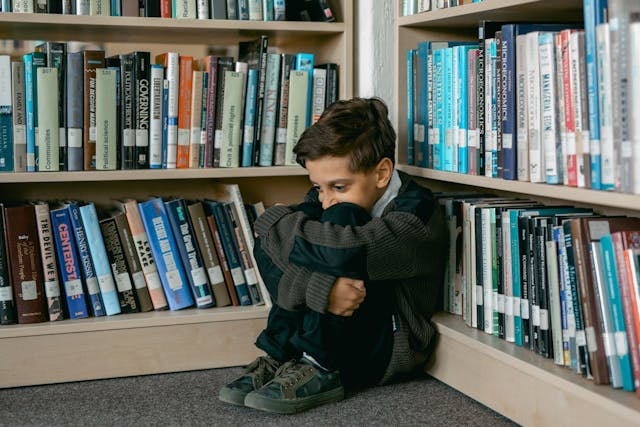
Turning Setbacks Into Opportunities
Ultimately, how children learn to handle setbacks can shape their attitude towards learning for years to come. With patience, reassurance, and consistent support, academic challenges can help your child develop resilience, self-belief, and problem-solving skills that extend far beyond the classroom.
By guiding your child through these moments with empathy and encouragement, you’re helping them build a strong foundation for lifelong learning.

fashion-mommy
Welcome to the world of fashion-mommy, a world of fashion, lifestyle, theatre and fun. Enjoy the ride.