Managing Nappy Waste In Small UK Homes: Practical Nursery Hygiene Strategies
Living in a cozy urban flat or a classic Victorian terrace has plenty of charm, but welcoming a newborn into a compact home quickly highlights the realities of space management. Between navigating room for a cot, arranging drawers full of sleepsuits, and finding a spot for a changing pad, new parents rapidly realise how much daily infrastructure a small baby requires. Among these practical priorities, figuring out how to handle frequent changing routines in limited square footage is paramount. Exploring dedicated bins for nappies along with smart ventilation and daily hygiene habits can help keep your living environment fresh, organised, and pleasant for the whole family.
With a newborn changing anywhere from eight to twelve times a day, baby waste accumulates at a rate that can easily overwhelm smaller household spaces. In homes where the changing area shares space with a main bedroom or sits just off a central hallway, managing odours and maintaining indoor air quality requires a clear strategy. Below are practical, realistic approaches designed to help UK families keep on top of nappy disposal without sacrificing valuable living space or indoor comfort.
The Spatial Challenges of Baby Care in Compact UK Housing
UK homes are renowned for having some of the most compact floor plans in Europe. Modern townhouses, converted flats, and period properties often feature cozy room dimensions where every square foot counts. When establishing a changing corner in a smaller home, several factors can complicate waste management:
- Limited airflow: Modern double glazing and draft proofing retain heat exceptionally well during chilly British winters, but they can also trap humidity, stale air, and household smells indoors.
- Proximity to living zones: In open-plan layouts or smaller flats, the changing station is often situated mere steps from where you sleep, work, or entertain guests.
- Council bin schedules: Many local councils in the UK collect non-recyclable household waste fortnightly or even tri-weekly. Storing dirty nappies until collection day requires a contained, reliable system inside the home.
Recognising these spatial limitations helps you design a daily care routine that prioritises containment, regular airflow, and clean surfaces before small annoyances turn into persistent household issues.
Designing a Minimalist, Functional Changing Station
When space is at a premium, you do not need an elaborate freestanding changing table. Instead, focus on creating an ergonomic, clutter-free setup that fits existing furniture while keeping essential supplies close to hand.
Ergonomics and Surface Selection
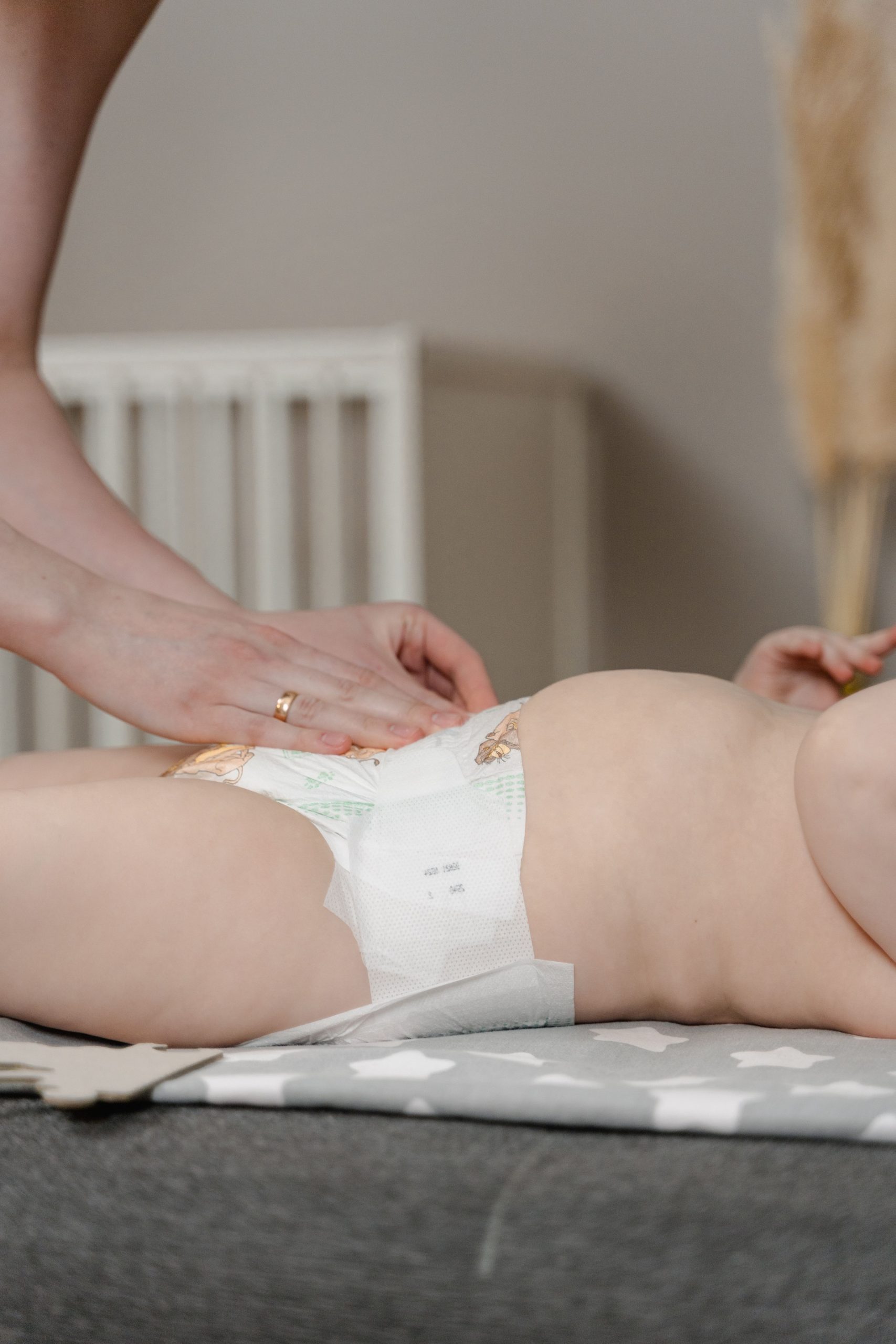
Converting the top of a sturdy chest of drawers into a changing area is one of the most effective space-saving techniques for UK parents. Ensure the changing mat features a waterproof, wipeable surface and raised sides to keep your baby secure. Positioning the changing mat at waist height prevents back strain during frequent night-time changes and keeps the routine efficient.
Zoning Your Essentials
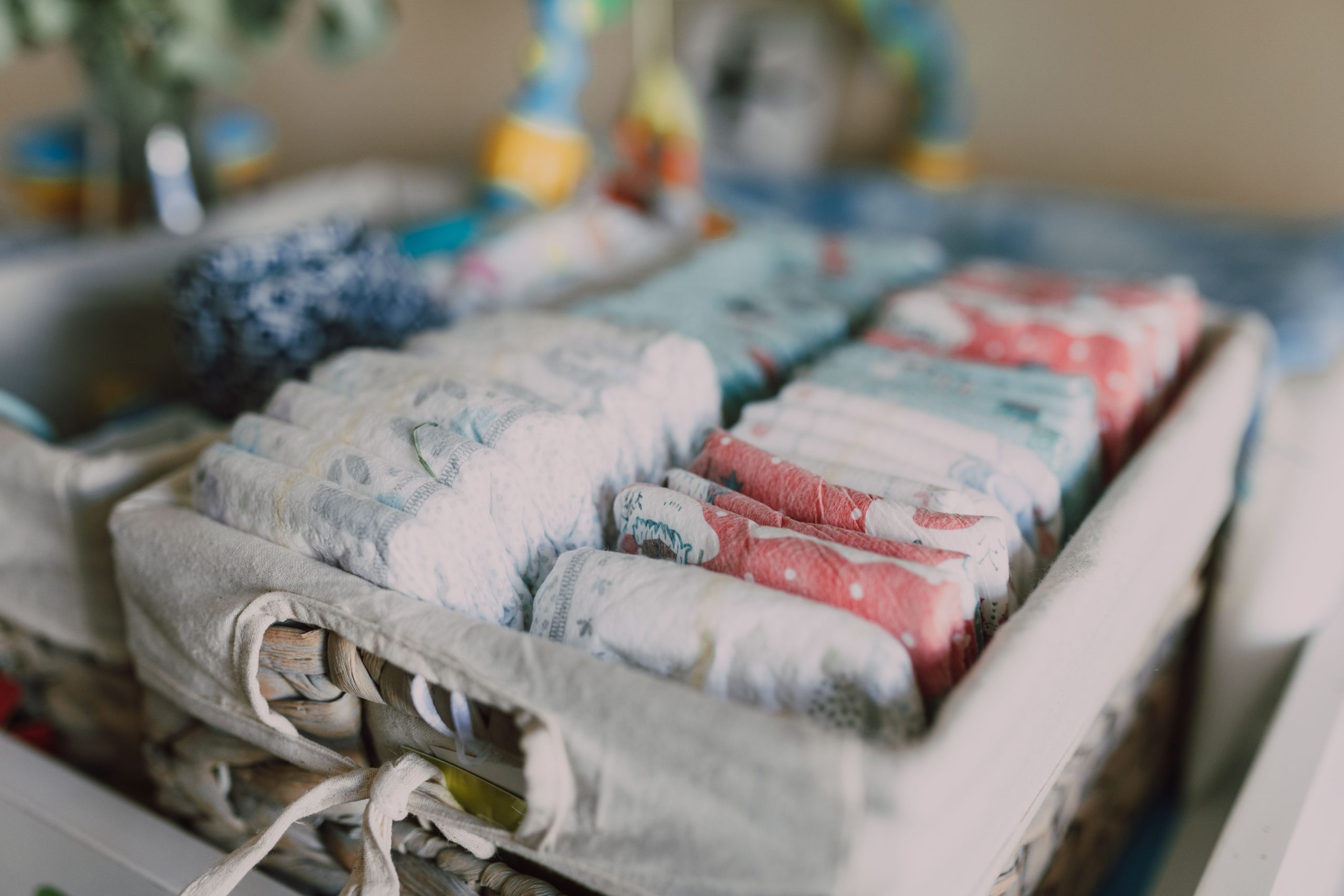
To keep countertops clear, utilise vertical space and drawer dividers. Store clean nappies, water-based wipes, barrier creams, and spare bodysuits in open fabric bins or hanging caddies right beside the mat. Being able to access clean supplies with one hand while keeping your other hand safely on your baby makes the process seamless and reduces the chance of dirty items coming into contact with clean surfaces.
Modern Waste Management: What to Look For
Handling used nappies quickly and hygienically is the cornerstone of nursery freshness, particularly when you cannot immediately run outside to a wheelie bin after every change.
When evaluating options for nappy bin disposal, it helps to understand how different designs operate within a small room. Standard open kitchen bins or pedal bins tend to release a plume of trapped air every time the lid lifts. In contrast, specialized waste units engineered with multi-layer seal mechanisms, flexible trapdoors, or internal gasket systems are specifically designed to trap odours inside during opening and closing.
For parents in compact homes, choosing a full-height, standing unit offers distinct advantages:
- Ergonomic operation: A taller unit allows for simple one-handed or hands-free operation at waist level, eliminating the need to stoop down while holding a restless baby.
- Substantial capacity: A unit that holds a larger volume of nappies reduces the number of trips you need to make downstairs or outdoors to the main dustbin, which is particularly beneficial during post-partum recovery or rainy weather.
- Bag flexibility: Look for units that accommodate standard, high-capacity bin bags or flexible refill liners, ensuring ongoing maintenance remains straightforward and cost-effective.
Placing your waste container in a cool corner of the room—away from direct sunlight, central heating radiators, or floor heating pipes—will further help keep internal temperatures stable and prevent unwanted smells from developing rapidly.
Ventilation and Air Quality Strategies for Small Rooms
Managing waste is only half the battle; maintaining continuous air exchange is equally vital for keeping small rooms feeling light and clean.
Daily Purging of Stale Air
Make a daily habit of opening the nursery or bedroom window for ten to fifteen minutes every morning, even during winter months. This rapid air exchange clears out overnight humidity and stale air without significantly dropping the temperature of the walls and furniture.
Managing Temperature and Humidity
Warmer room temperatures tend to intensify organic odours. Keeping sleeping areas at the NHS-recommended temperature of 16°C to 20°C not only supports safe infant sleep guidelines but also keeps ambient room smells under control. If your home suffers from high humidity, using a small, quiet dehumidifier in adjacent hallways can assist in pulling excess moisture from the air.
Avoiding Heavy Synthetic Air Fresheners
It can be tempting to use scented room sprays, plug-in air fresheners, or heavy reed diffusers to mask unpleasant smells. However, an infant’s developing respiratory system is delicate. Masking smells with strong chemical fragrances often leads to an overwhelming mix of scents rather than true cleanliness. Relying on source containment, surface hygiene, and natural airflow is a far healthier approach for your baby.
Establishing a Daily Nursery Hygiene Routine
Consistency is key when maintaining a small shared space. Incorporating quick, easy habits into your daily routine prevents cleaning chores from piling up into major tasks.
- Immediate containment: Roll used nappies tightly, securing them with the sticky tabs, and place them straight into your sealed waste bin immediately. Avoid leaving wrapped nappies on the changing mat or side tables, even for a moment.
- Daily surface wipe-down: Keep a pack of mild, non-toxic disinfectant wipes near the changing area. Wipe down the changing mat, drawer handles, and bin lid at the end of each day to remove micro-residues.
- Fabric care: If you use fabric changing pad covers, wash them every two days on a warm cycle with a non-biological laundry detergent. Allow damp laundry to dry completely in a well-ventilated space before folding it away.
Conclusion
Managing baby care in a compact UK home comes down to practical organisation, smart ventilation, and reliable waste management. By creating a streamlined changing station, establishing daily airing habits, and utilizing a reliable waste disposal setup, you can keep your home feeling clean, fresh, and spacious. These small daily routines take the stress out of nursery maintenance, allowing you to enjoy a comfortable, welcoming environment with your new arrival.

fashion-mommy
Welcome to the world of fashion-mommy, a world of fashion, lifestyle, theatre and fun. Enjoy the ride.


