Party Dress Guide: What To Wear To A Wedding
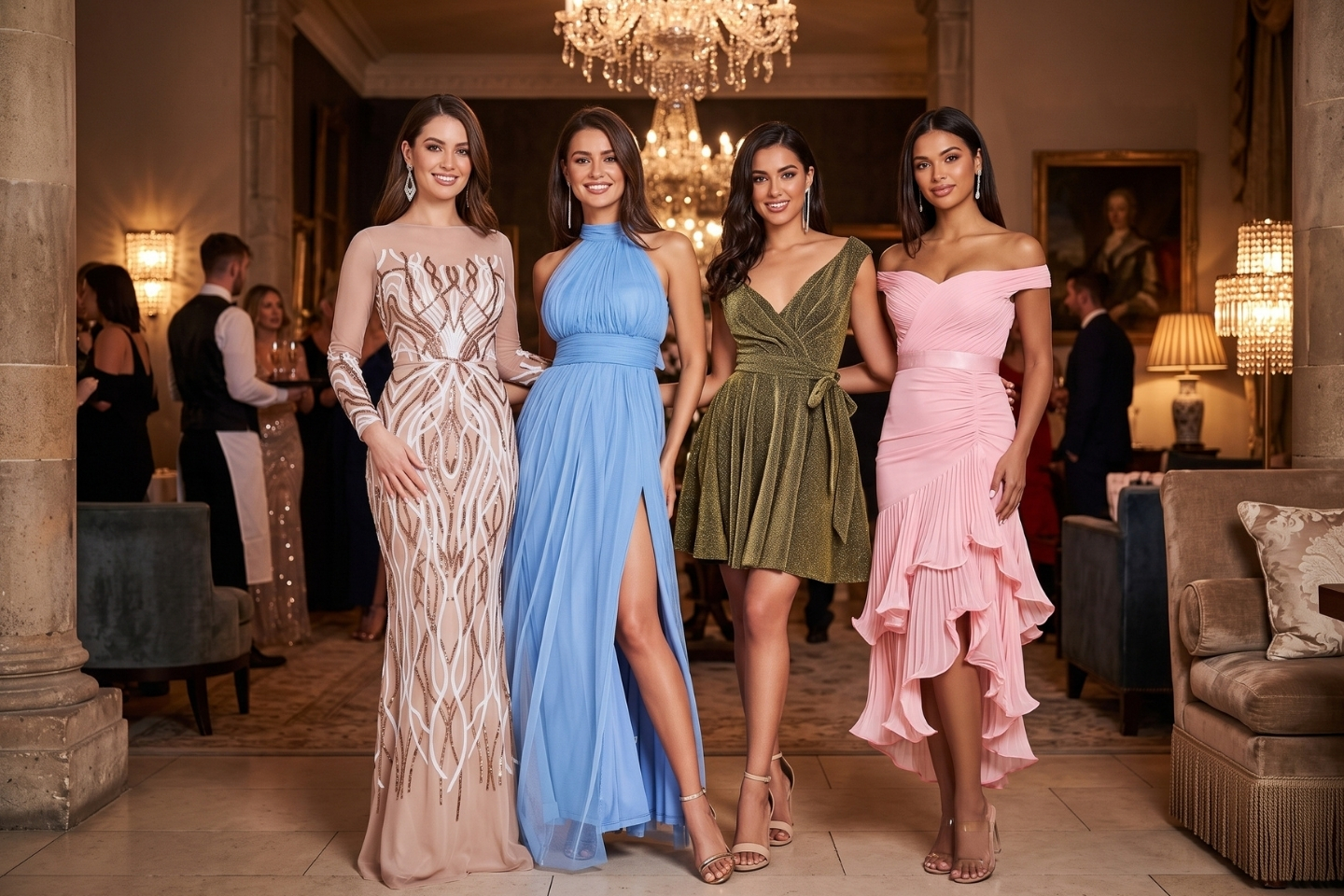
Weddings are one of the few occasions that genuinely call for dressing up — a full day of celebration surrounded by people you care about. But between dress codes, venues, seasons, and wedding styles, figuring out what to actually wear can feel more complicated than it should. Whether you’re looking for an elegant party dress for an evening reception or a sophisticated outfit for a daytime ceremony, the good news is that once you break it down into a few key decisions, the right outfit tends to fall into place.
Check the Dress Code First
Before anything else, look at the invitation. If the couple has specified a dress code, that’s your clearest signal for how formal to go.
Formal weddings usually call for an elegant midi or polished maxi, but not excessive. Cocktail attire allows for a sharper midi and a bolder choice of accessories. And for something more relaxed, a countryside ceremony or a laid-back afternoon celebration, a floral print or a flowing silhouette is a lovely way to be comfortable while still looking dressed up.
The venue itself often reinforces this idea. A rustic or countryside setting leans toward softer fabrics and romantic details, while a city wedding usually calls for something more tailored and structured.
Pick a Colour That Fits the Day
Colour plays a big role in the visual storytelling of a wedding guest dress outfit. For daytime celebrations, especially in spring or summer, softer tones — blush, sage, lavender, and powder blue — feel fresh and appropriate.
Autumn and winter weddings are a natural fit for richer, deeper colours: burgundy, emerald, navy, and plum. These shades also tend to suit evening receptions particularly well, holding up nicely under warmer indoor lighting.
One long-standing rule still applies here: steer clear of white, or anything close enough to be mistaken for it, unless the couple has explicitly said otherwise.
Let the Season Guide the Fabric
The time of year shapes a wedding guest’s outfit more than most people realise. Summer weddings favour lightweight, breathable fabrics; a flowing midi in a soft material will keep you comfortable through a long day outdoors without sacrificing polish.
Cooler-weather weddings ask for a bit more structure, slightly heavier fabric, maybe long sleeves, or a dress designed to be layered under a blazer or elegant coat. Spring and autumn sit in between, which actually gives you the most flexibility: transitional colours, midi lengths, and a layer you can add or remove as the day shifts from ceremony to reception.
Choose a Silhouette You Can Actually Wear All Day
The best wedding guest dress isn’t necessarily the most fashionable one; it’s the one you forget you’re wearing by the time dinner starts. A wrap dress offers a flattering shape without restricting movement. An A-line is close to universally comfortable. A fitted midi brings a more contemporary edge, while a maxi can lend real elegance to a formal evening event.
Since weddings usually involve a long stretch of sitting, standing, walking, and eventually dancing, comfort deserves real weight in this decision, not as an afterthought, but as part of the actual criteria.
Match the Outfit to the Venue
Where the wedding is happening should shape your choice almost as much as the dress code itself. A beach wedding calls for something lightweight with sensible footwear, while a formal hotel reception suits a more elevated gown or refined midi.
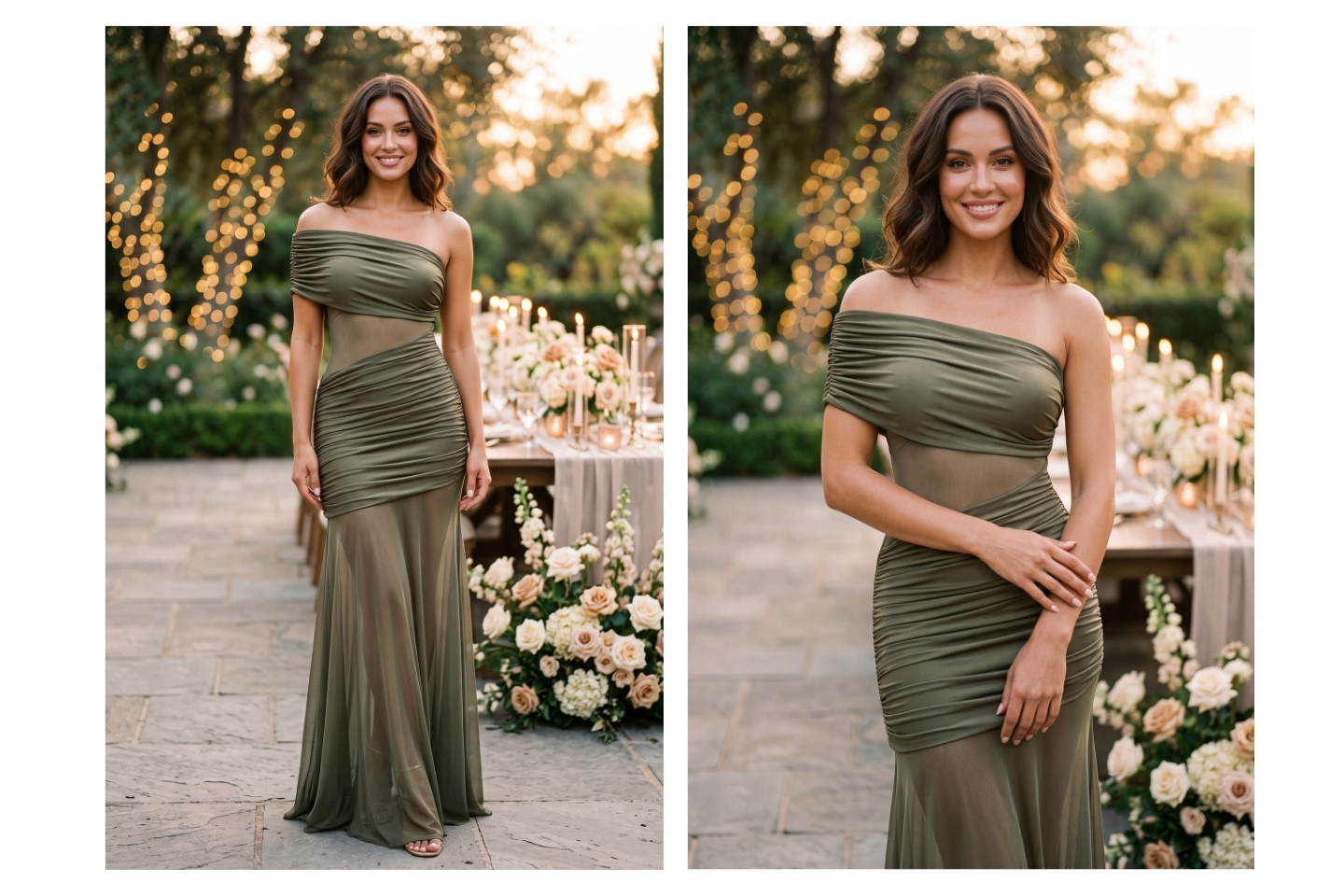
For outdoor ceremonies, check the forecast and think practically — uneven ground, wind, or a temperature drop later in the day can all affect your comfort. Bringing a stylish layer along is a small decision that can save the whole evening if the weather turns.
The venue can also be a source of inspiration rather than just a constraint. Romantic florals are a natural fit for a countryside setting, while cleaner lines and bolder colours suit a modern city venue.
Be Mindful of the Wedding Party
If you’re close to the couple or wedding party, it’s worth checking whether the bridesmaids are wearing a specific colour so you can avoid an accidental match. Beyond that, there’s no need to coordinate with the wedding’s colour scheme unless you’ve been asked to — your outfit can still reflect your taste while respecting the overall tone of the day.
Build an Outfit That Lasts the Whole Day
One of the smartest approaches to wedding guest dressing is planning for the entire day, not just the ceremony photos. A versatile midi dress works well here, since it can be styled differently as the day progresses: a tailored jacket or wrap for the ceremony, removed later for the reception, with a smaller clutch swapped in once the evening arrives.
This kind of subtle styling shift means you get a polished look for every part of the day without needing to change outfits entirely.
Keep Your Own Style in the Mix
Ultimately, wedding guest dressing works best when it still feels like you. Trends are useful for inspiration, but the outfit that actually makes you feel your best is the one worth choosing.
If you love florals, find a print sophisticated enough for the occasion. If you’re more minimalist, keep the silhouette simple and let accessories do the talking. If bold colour is your thing, don’t be afraid to wear it, and if you prefer neutrals, texture and thoughtful accessories can carry just as much presence.
There’s no single right answer here, just the version of “dressed up” that feels most like you.
Bringing It All Together
Choosing a wedding guest outfit doesn’t have to be complicated. Start with the invitation, factor in the venue and season, and then pick a colour and silhouette that make you feel confident. From there, the right accessories and comfortable shoes do the rest.
Whether it’s a relaxed summer ceremony, a romantic countryside wedding, or a formal evening reception, the goal is the same: an outfit that carries you effortlessly from the first photo to the last dance. Make an Entrance in the Perfect Party Dress.

fashion-mommy
Welcome to the world of fashion-mommy, a world of fashion, lifestyle, theatre and fun. Enjoy the ride.