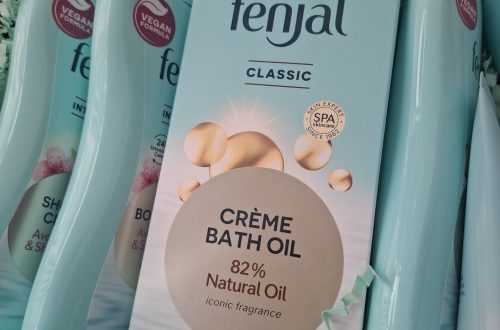
The Rise Of Conscious Beauty Shopping And What It Means For Consumers
A few years ago, I tossed a bottle of shampoo into my cart without thinking twice. Cheap, cheerful, smelled like coconuts. That was the extent of my decision making. Now I find myself standing in the aisle flipping bottles over like a detective reading clues. Ingredients. Cruelty claims. Recyclability. It’s funny how habits change.
Conscious beauty shopping didn’t explode overnight. It crept in slowly. Friends started talking about ingredients. Social media exposed questionable brand practices. Then suddenly everyone was asking the same question: what exactly are we putting on our skin?
I noticed the shift most when I went looking for new hair treatment products last winter. My hair had been through a bit of a crisis after too much heat styling. The old me would have grabbed whatever promised “repair.” This time I spent twenty minutes reading labels. Sulfates, silicones, oils, plant extracts. I actually cared.
And judging by the crowded aisle of people doing the exact same thing, I’m not the only one.
Consumers Are Paying Attention
Beauty shoppers today are far more curious than they used to be. Curious and slightly skeptical. We’ve all seen those marketing claims that sound wonderful but say very little.
What’s different now is that people actually research before they buy. I’ll admit I’ve fallen down a few ingredient rabbit holes at midnight. One quick search turns into another and suddenly you’re learning about preservatives you can’t pronounce.
At the same time, shoppers are still practical. Most of us are not chemists. We simply want transparency. If a brand explains why it uses certain ingredients and where they come from, that honesty matters.
I saw this shift clearly when browsing a new beauty counter recently. Someone next to me picked up a bottle, scanned the label, and asked the sales assistant about sourcing. Ten years ago that conversation probably wouldn’t have happened.
Even the way brands present beauty products has started to change because of this curiosity. Labels feel more detailed. Websites explain production methods. Companies know people are watching.
Packaging Suddenly Matters
There’s another change I didn’t expect to care about so much. Packaging.
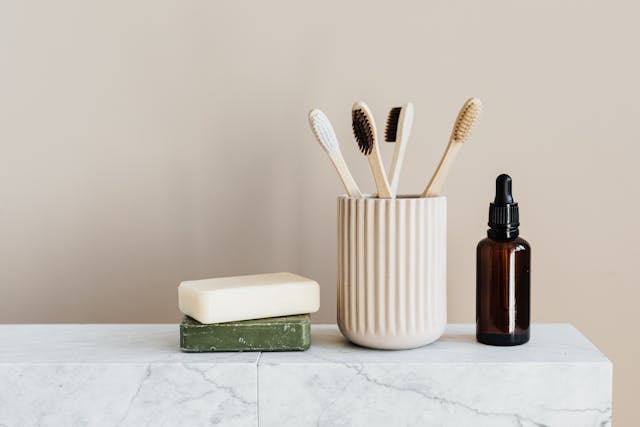
Not long ago I was reorganizing my bathroom cabinet and realized how much plastic I had accumulated. Bottles, pumps, caps. Some recyclable, some questionable. That moment made me rethink what I buy.
Many shoppers are now noticing the same thing. Sustainable materials, refill systems, and reduced waste are becoming part of the decision process. It’s not just about what’s inside the bottle anymore.
I remember picking up a cream recently and pausing because the skincare packaging felt different. Lighter. Minimal. The label mentioned recycled materials and refill pods. I’m not saying that detail alone convinced me to buy it, but it definitely nudged me in that direction.
Little signals like that create trust. Or at least curiosity.
The Rise of Ingredient Awareness
If there’s one thing conscious beauty shopping has done, it’s turn everyday consumers into amateur label readers. Some people study ingredient lists like they’re exam notes.
I’m somewhere in the middle. I don’t obsess over every component, but I do appreciate understanding what’s inside the products I use. It makes the experience feel less like blind faith and more like an informed choice.
The last time I switched moisturizers, I spent a good half hour comparing formulas online. Probably excessive. But interesting. You start noticing patterns. Botanical oils here, fragrance free options there. The language of beauty has become surprisingly educational.
And honestly, I like that. It feels empowering to understand at least a little of what we’re using daily.
Brands Are Being Pushed to Do Better
Consumers asking questions creates pressure. The good kind.
Brands now know that vague promises won’t satisfy curious shoppers. People expect explanations about sourcing, testing practices, and environmental impact. Silence can look suspicious.
I’ve seen smaller independent brands adapt especially quickly. Many of them openly discuss their production methods or ingredient choices on social media. That transparency builds loyalty.
Larger companies have been catching up too. Reformulations, cleaner ingredient lists, sustainability reports. Some changes are genuine. Others feel more like marketing. But even that shift tells us something important.
Consumer awareness is steering the industry.
Shopping With Intention
What fascinates me most about conscious beauty shopping is how personal it has become. It’s not about perfection. Nobody is researching every single purchase.
Instead it’s about small moments of thoughtfulness. Choosing one better product. Reading one label. Supporting a brand that aligns with your values.
I still buy things on impulse sometimes. A pretty lipstick shade can ruin my best intentions. But even then I find myself pausing and thinking about where it came from and how it was made.
That pause. That curiosity. It’s quietly reshaping the beauty aisle.
And honestly, I think that’s a good thing.

fashion-mommy
Welcome to the world of fashion-mommy, a world of fashion, lifestyle, theatre and fun. Enjoy the ride.