The Role of Fashion in Defining Our Identity And Confidence
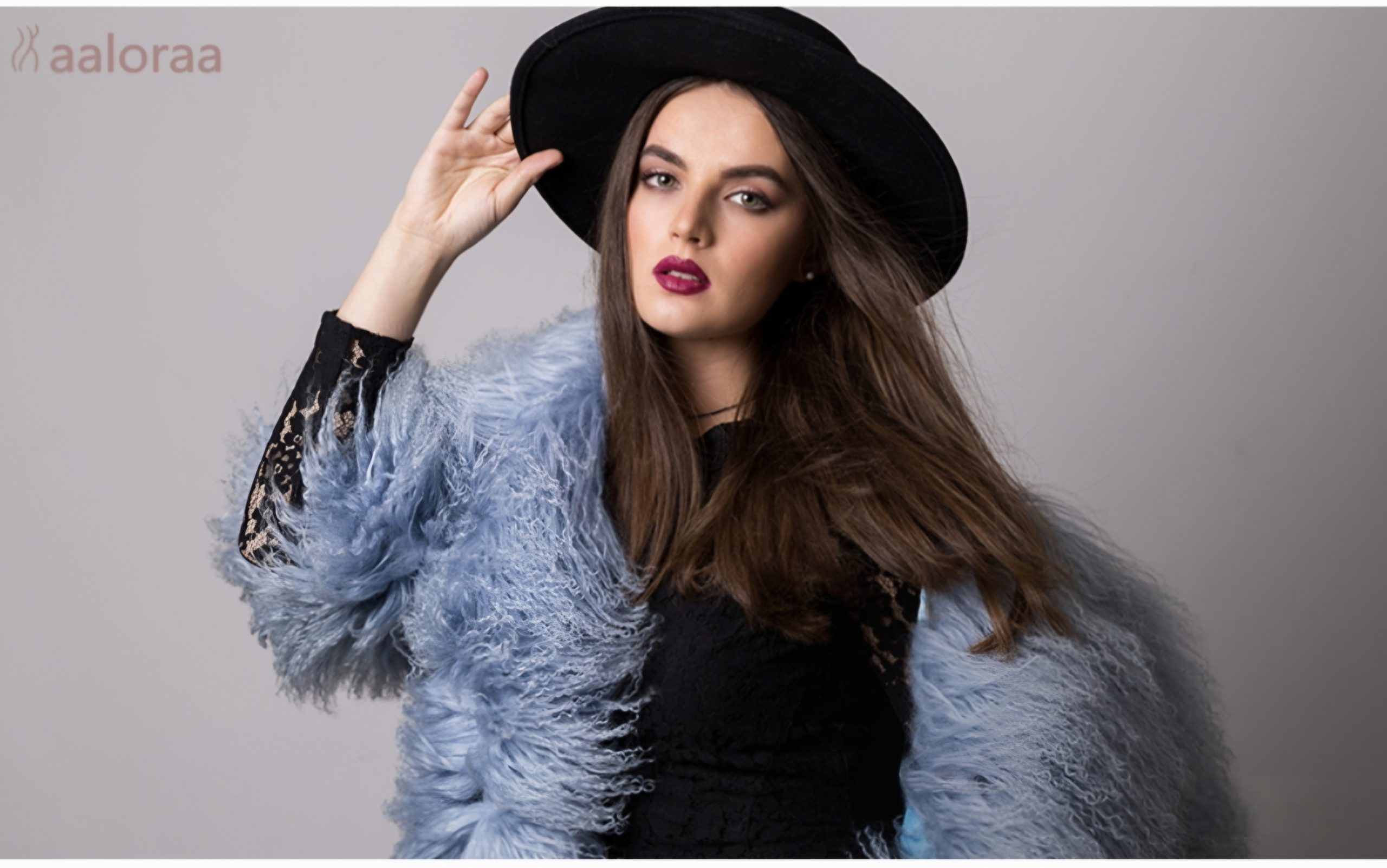
Have you ever felt like the best version of yourself? Sometimes the reason is as simple as wearing your favorite outfit, which is responsible for such a feeling. Fashion has that magic. It is not merely a piece of fabric that you wear. It is the reflection of who you are. It portrays how you feel and how you want the world to perceive you.
The clothes you choose each morning are not just a daily chore. It silently communicates your personality, mood, and values. The purpose of fashion is not just to shape the way others see you. It also shapes the way you see yourself. In many ways, fashion is deeply associated with identity and confidence. This makes it one of the most powerful tools of self-expression.
Self-Expressing through Fashion
Fashion is often called a “silent language.” Your outfits express you even before you say a single word. They communicate to the other people around you what you are feeling. For instance, a bright red dress depicts confidence and energy. A sleek black blazer means sophistication and authority. A person wearing earthy tones and flowy fabrics is considered to be a nature lover. It also signifies a laid-back personality.
Styling enables us to express who we are at any moment. As seen in the ever-evolving fashion choices of Chennai call girls, it is extremely fluid, making it superior to permanent identifiers such as name or profession. It adapts and evolves with our moods and experiences. Wearing clothes that align with our inner selves creates a sense of authenticity and ultimately boosts confidence.
Fashion For Identity Formation
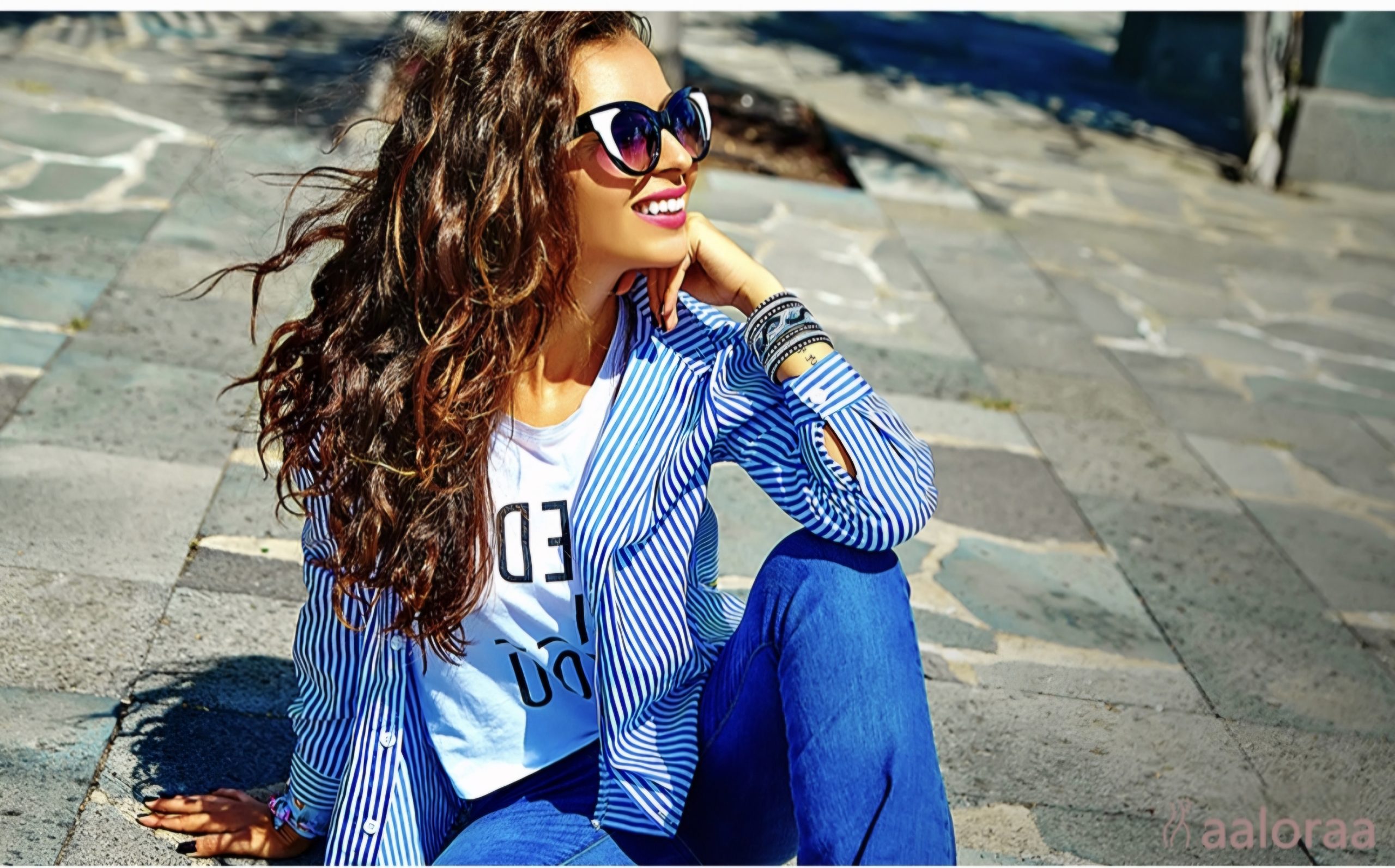
Our fashion sense often changes based on the life stage we are at. Take teenage years, for instance. Experimenting with trends, subcultures, or even rebellious choices was extremely common. On the other hand, adults prefer more professional attire. Particularly, they choose the one that aligns with their career and social expectations.
Cultural heritage also plays a big role in fashion. Aaloraa call girls often note how it deeply impacts the personal identity we express through clothing. Wearing traditional attire, patterns, and fabrics not only tells ancestral stories but also preserves our connection to our roots.
At the same time, fashion has become a platform for writing new identities. They are used as a tool to break stereotypes. For example, gender-neutral fashion challenges the old-age rules. They end the difference between “what men should wear” and “what women should wear.” Styles that reflect our beliefs and individuality help us to create a strong and unique identity.
The Psychological Connection of Fashion
Fashion is not just about looking good. What we wear can actually make us feel good. Psychologists call this the “enclothed cognition” effect. It means that our clothing can influence our mindset, behavior, and confidence. For instance, people prefer a suit for a meeting. It makes them look authoritative in their own minds and in other people’s minds as well. On the other hand, well-fitted gym wear can make us feel more motivated. It motivates us to exercise and push harder.
Confidence and fashion go hand in hand.
According to style-savvy London escorts, the right outfit not only makes you look good but also fuels inner confidence, drawing more positive reactions from others. This isn’t just vanity—it’s psychology turning self-doubt into self-assurance.
Final Thoughts
Fashion is not merely an external appearance. It acts as an extension of who we are. Every outfit we wear tells a story. It projects our identity and influences the way we and other people feel about us. Fashion is a tool for self-expression. It is used for communicating our uniqueness to the world. It also builds confidence within us.
So, do not pick clothes at random the next time you open your wardrobe. Choose garments that reflect your identity. Prefer the ones that align with your values. This kind of fashion will empower you to enter any room confidently. Do not fall into the trap that fashion is about following trends. At its core, it is about representing who you are.

fashion-mommy
Welcome to the world of fashion-mommy, a world of fashion, lifestyle, theatre and fun. Enjoy the ride.


