5 Common Sleep Problems And How To Combat Them
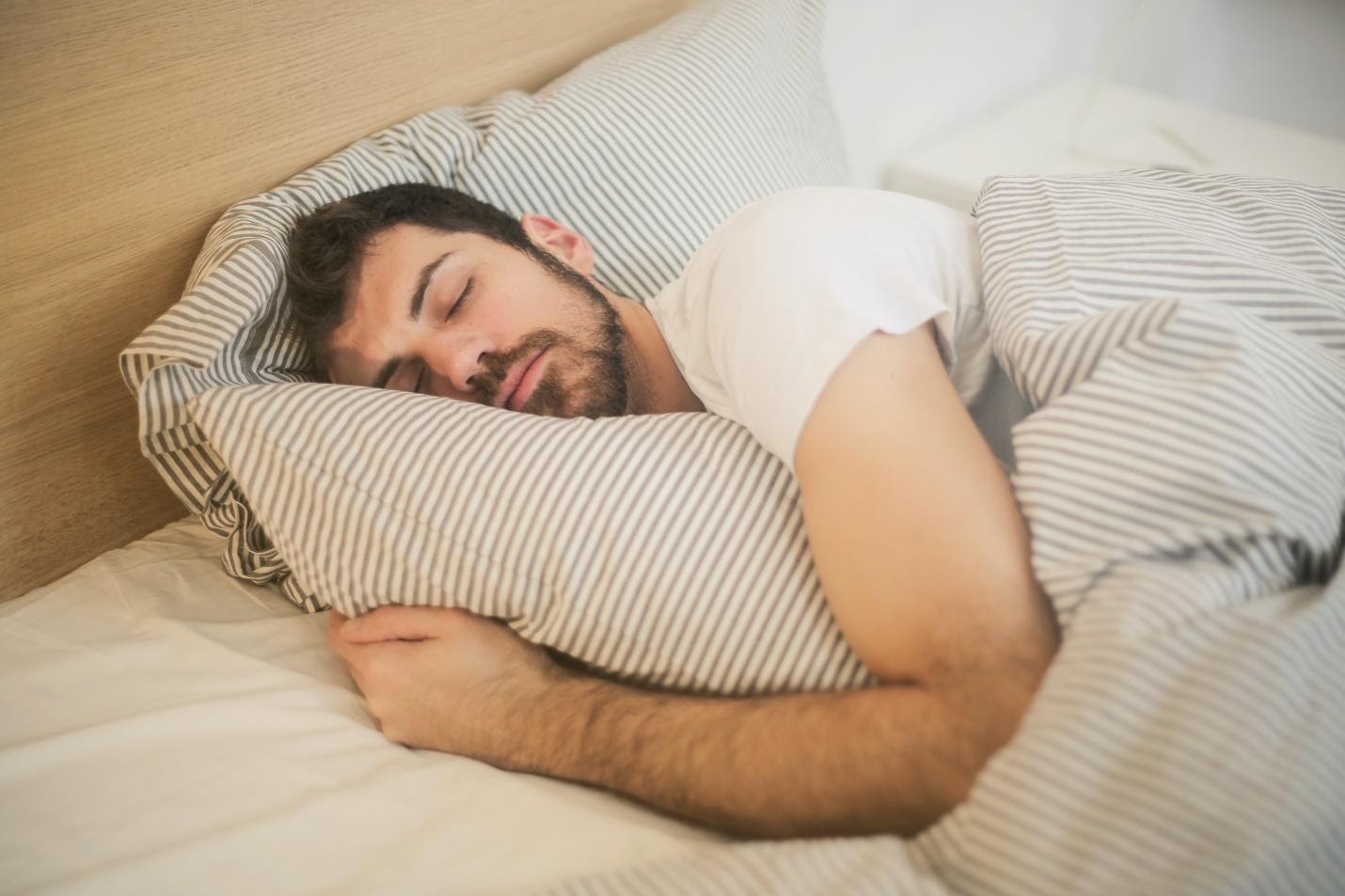
Sleeping problems can affect your overall health immediately or in the long term. Sleep deprivation happens when you get less than seven hours of night sleep, and it can interfere with your work, driving, school, and social functioning.
Sleeping problems keep worsening as time goes by. It can be due to a number of factors. Luckily, there are several ways to combat common sleep problems to ensure that you adopt proper sleep hygiene.
- Insomnia
Insomnia is a common sleep disorder that makes it more difficult for you to fall and stay asleep or leads you to wake up too early. It can suck out your energy; interfere with your mood, work performance, and overall quality of life.
When experiencing insomnia, you may find yourself waking up tired and can result in daytime sleepiness. Insomnia can be acute or chronic. Short-term or acute insomnia can last for a few days or weeks and is caused by a traumatic incident or stress.
Chronic or long-term insomnia can last for a month or more. You may experience chronic insomnia symptoms during the day and at night. Chronic insomnia is often associated with an underlying medical condition and can result in health problems such as weight gain, hypertension, and diabetes.
If insomnia makes it harder for you to function normally during the day, consider seeking professional assistance. You can also adopt certain behavior to help you combat the problem with time. Develop a good habit of waking up at the same time every day, go slow on alcohol and stimulants, exercise regularly, make your sleeping environment inviting, and address worries and stress before you go to bed.
- Restless Leg Syndrome
If you feel the irresistible urge to move the legs while resting, you could be experiencing restless leg syndrome (RLS). You are likely to experience this condition while lying in your bed, after prolonged periods of sitting while driving or at the theater.
You are likely to experience RLS in the evening, which makes it difficult for you to fall and stay asleep. RLS can be associated with daytime sleepiness, concentration, and irritability. You can combat RLS through yoga and stretching, massage, or prescription medicine.
- Sleep Apnea
If you experience difficulties in breathing where breathing repeatedly starts and stops, you might have sleep apnea. Snoring and feeling exhausted even after a full night of sleep may be an indication of sleep apnea. Sleep apnea is a potentially serious sleep disorder and can be caused by excess weight.
Sleep apnea also causes complications such as daytime fatigue where you might have difficulty in concentrating, liver issues, high blood pressure, or heart problems. With sleep apnea, you are at risk of developing insulin resistance and type 2 diabetes.
Talk to your doctor if you develop any symptoms of sleep apnea. You can correct the problem through lifestyle changes such as weight loss and using a breathing assistance device such as a continuous positive airway pressure machine.
- Night Sweats
Night sweats are repeated episodes of excessive perspiration that may soak your bedding or pajamas. It is normal to sweat during the night if the room or beddings are making you too hot. However, if you experience drenching night sweats, it might be a symptom of an underlying condition.
Night sweats are caused by anxiety, hot flushes during menopause, some medicines such as antidepressants, steroids, and pain killers. You can also experience night sweats after cancer treatment procedures such as radiation and chemotherapy.
Regardless of the cause of night sweats, make sure you seek help from a general practitioner when the symptoms arise. You can also combat this common condition by avoiding spicy foods during menopause. You can also limit your consumption of alcohol and caffeine.
Finding the right mattress for your sleep patterns can also make a difference. Try a cooling mattress for side sleepers from Nolah Mattresses. This can help address any pain while also keeping you cool.
- Snoring
Snoring is a sleeping problem that you are likely to experience at some time in your life. It occurs when your upper airway tissue vibrates, hence the noise as you sleep. Sometimes snoring can indicate a serious health problem and it can easily go away if you apply home remedies like keeping your bedroom humid, treating allergies, and using an anti-snore pillow.
Find a Solution for Your Sleep Problems
There are various reasons why you could be sleep-deprived. Work, chores, parties, babies, or late-night television could be among the few problems causing your sleeplessness. Not getting adequate sleep will not only make you feel tired but also interfere with your cognitive function. Seek professional help immediately if you feel that home remedies are not working.

fashion-mommy
Welcome to the world of fashion-mommy, a world of fashion, lifestyle, theatre and fun. Enjoy the ride.
You May Also Like

The top 5 health tests you should have done in a lifetime

The Relationship Between Acetylcholine And Memory