How To Make A Family Home Feel More Stylish Before Selling
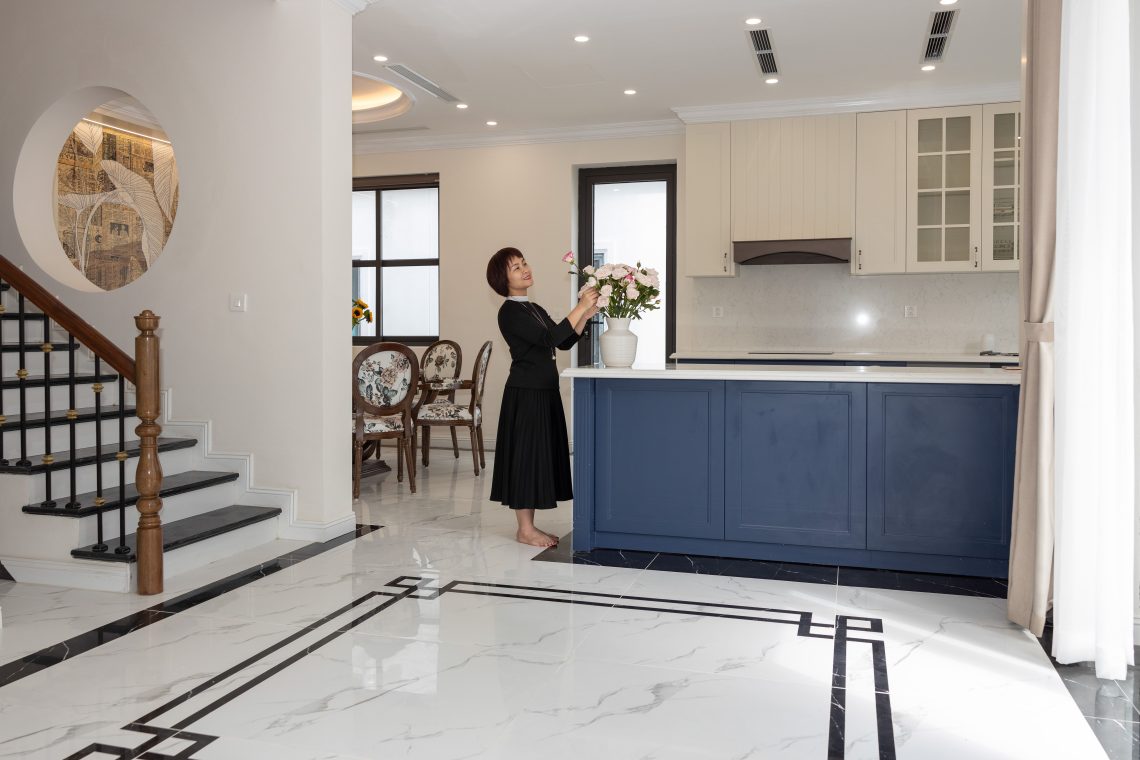
The hallway matters. So does the living room. And the kitchen? That’s usually where buyers start imagining real life, from rushed breakfasts to Sunday lunches and someone inevitably leaving a mug beside the sink.
Before changing anything, walk through the home like a stranger. Not like the person who knows which drawer hides the takeaway menus or where the school shoes mysteriously disappear. Fresh eyes help. A lot.
The goal isn’t to make a family home look like a glossy hotel suite. That can feel cold. Too polished. A little suspicious, even. Buyers want style, yes, but they also want warmth. They want to feel that the house has been loved, not scrubbed of every trace of personality.
Small updates can do plenty. Clean cabinet handles. Fresh grout. Softer lighting. Clear kitchen counters. A new blind if the old one has seen things. Larger kitchen renovations can make sense when the room feels dated or awkward, but sellers should think carefully before spending big. A stylish refresh often works better than a full rip-out, especially if the aim is to sell soon.

Clear the Clutter, Keep the Charm
Family homes collect stuff. Coats. Bags. Sports bottles. Birthday cards from months ago. Tiny plastic things that no one can identify but everyone is scared to throw away.
Still, clutter makes rooms feel smaller. It also distracts buyers. Instead of noticing the fireplace or the lovely window, they notice the pile of laundry waiting in the corner. Not ideal.
Decluttering doesn’t mean turning the house into a blank white box. Keep a few pieces that make the place feel lived in, such as a good lamp, a framed print, a neat stack of books, or a soft throw on the sofa. Then edit the rest. Be firm.
One seller once struggled to remove family photos because the house felt “wrong” without them. Fair enough. Homes hold memories. But after swapping a crowded gallery wall for two simple prints, the room looked calmer and the online photos felt cleaner. Less noise. More space.
Cupboards need attention too. Buyers open them. They shouldn’t, maybe, but they do. Half-full storage quietly says, “There’s room here.” Overstuffed cupboards say something else entirely.
Use Color Without Making It Boring
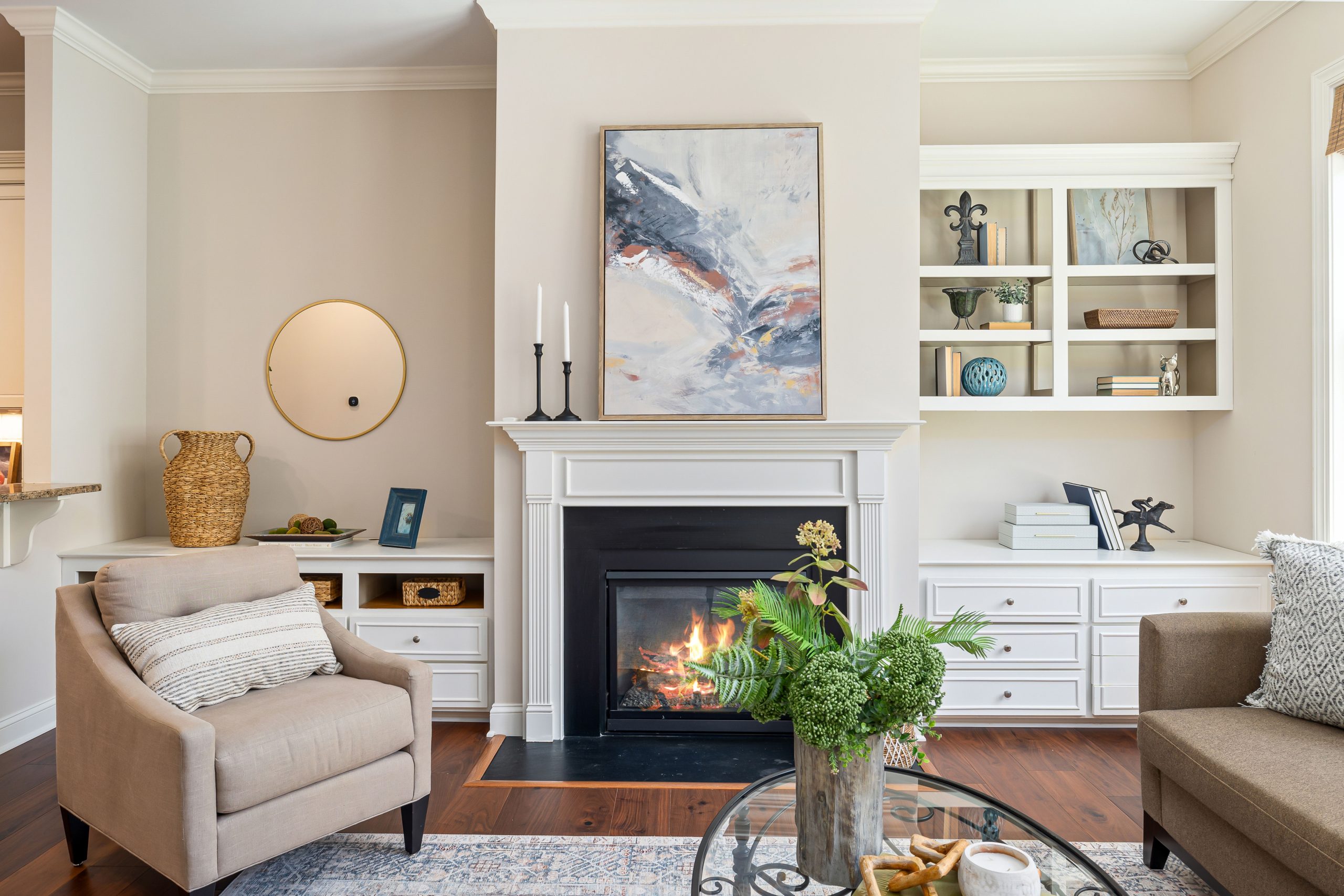
Neutral walls usually help when selling, but neutral doesn’t have to mean dull. Warm white, soft beige, pale gray, muted green, or gentle blue can all make a room feel calm and current.
The trick is choosing colors that suit the light. A cool gray in a dark room can look gloomy by lunchtime. A warm white can soften a busy family space. Bedrooms often suit quieter tones because buyers want to picture rest, not a paint chart having a tantrum.
Texture does a lot of the heavy lifting. Linen cushions. Woven baskets. Timber frames. Ceramic lamps. A rug with a little softness underfoot. These details help you style your home without making it feel staged within an inch of its life.
And yes, cushions matter. Not 47 of them. Just enough.
Make the Living Room Feel Easy
A living room should feel simple to understand. Where does everyone sit? Where does the TV go? Can people walk through without doing a sideways shuffle past the coffee table?
One mistake comes up again and again. Too much furniture. Families get used to it because every chair has a purpose, even the one nobody sits on except during Christmas. Buyers don’t see it that way. They see a smaller room.
Pull the sofa away from the wall if the layout allows. Add a rug to anchor the space. Keep side tables clear except for a lamp, a book, or a small vase. Let the room breathe.
This is where editing beats buying. A room can feel more expensive just by removing the wrong things.
Give Bedrooms a Softer, Calmer Feel
Bedrooms sell a feeling. Calm. Fresh. Comfortable. A little bit “Sunday morning with clean sheets,” even if real family life is more “where’s my PE kit?”
Crisp bedding is the fastest fix. White or soft neutral sheets with a textured throw almost always work. Add proper pillows, straighten the bedside tables, and remove anything that makes the room feel too busy.
Children’s rooms don’t need to lose all personality. A few books, a favorite print, or one neat shelf of toys can look sweet. The whole toy collection doesn’t need to attend the viewing.
Wardrobes should look organized. Matching hangers help more than they should. Shoes lined up neatly also help. Laundry baskets should be empty, because socks escaping over the edge don’t exactly whisper “dream home.”
Don’t Ignore the Entrance and Garden
The front door sets the tone before anyone steps inside. Clean it. Polish the handle. Add a simple doormat. If there’s space, place a pot of greenery nearby. Nothing too fussy.
Outdoor areas deserve the same attention. A small courtyard with a clean table and two chairs can feel like a morning coffee spot. A family garden with trimmed edges, swept paths, and toys packed away looks easier to manage.
That matters. Buyers want the dream first. The mowing can come later.
Think Like a Buyer Before the Photos
Photos do a lot of selling before anyone books a viewing. Rooms need to look bright, clear, and inviting. Open curtains. Hide cables. Clean mirrors. Replace tired towels. Put away paperwork, fridge magnets, pet bowls, and anything that pulls focus.
The best real estate agents often talk about presentation because they know buyers make quick emotional decisions. A home that feels stylish and cared for gives people fewer reasons to hesitate.
Perfect isn’t the aim. Perfect can feel stiff. A family home should still feel like a home, just the neatest, calmest, most flattering version of itself. The one that says, “Yes, life works here.”
And really, that’s the whole trick.

fashion-mommy
Welcome to the world of fashion-mommy, a world of fashion, lifestyle, theatre and fun. Enjoy the ride.