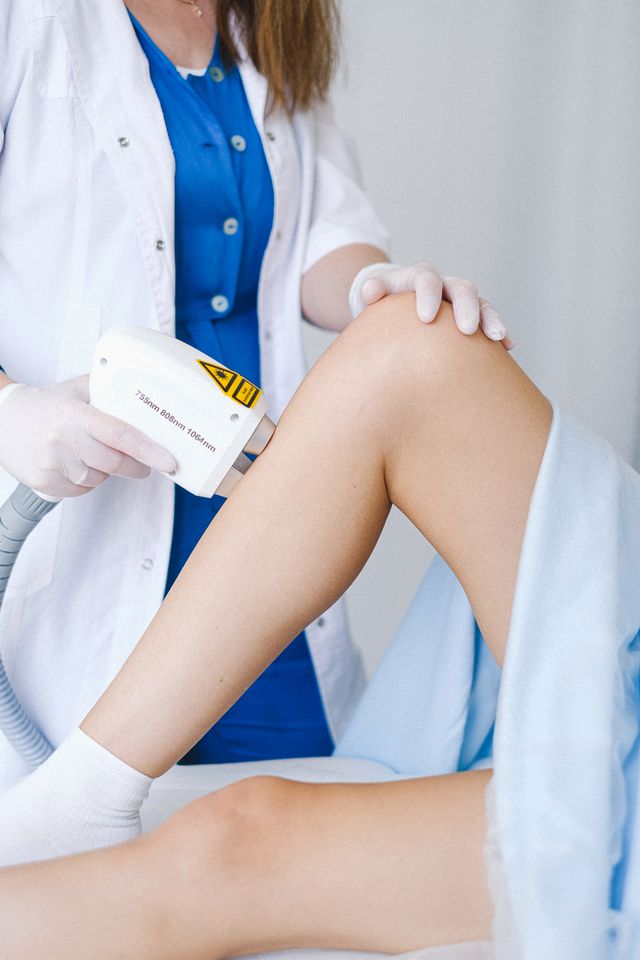
Ditching the Razor: Why Medical-Grade Laser is the Ultimate Time-Saver for Busy Women
We have all experienced that frustrating moment in front of the wardrobe. You have picked out a sleeveless top or a summer dress, only to change your outfit at the last minute because you haven’t had time to shave, or you are dealing with an angry, uncomfortable shaving rash.
While finding beauty products that solve hair, skin, and time problems for busy mums can make daily routines much easier, surface-level hair removal remains one of the biggest time-drains in women’s self-care. Between buying expensive multi-blade razors, booking painful monthly waxing appointments, and applying soothing lotions to calm razor burn, traditional hair removal is a cycle that never actually ends.
For women looking to reclaim their time and feel effortlessly confident in any outfit, switching to clinical laser treatment is the ultimate long-term investment. Here is how modern laser technology works beneath the surface to deliver permanently smoother skin—and what you need to know before booking.
Why Shaving and Waxing Keep Irritating Your Skin
If you suffer from dark, dotted pores across your legs (often referred to as “strawberry legs”) or painful red bumps along your bikini line and underarms, your hair removal routine is likely the culprit.
- The Problem with Razors: Shaving slices the hair shaft at a sharp angle right at the surface of the skin, leaving the dark root visible inside the open pore. As that sharp tip grows back over the next 24 hours, it easily catches on the inside of the follicle, curling back into the skin and triggering inflammation.
- The Waxing Cycle: While waxing pulls the hair out from the root, the follicle itself remains intact. As the body rebuilds a softer, finer hair shaft, that new hair often lacks the strength to push through the outer layer of dead skin cells—leading to deep, stubborn ingrown hairs.
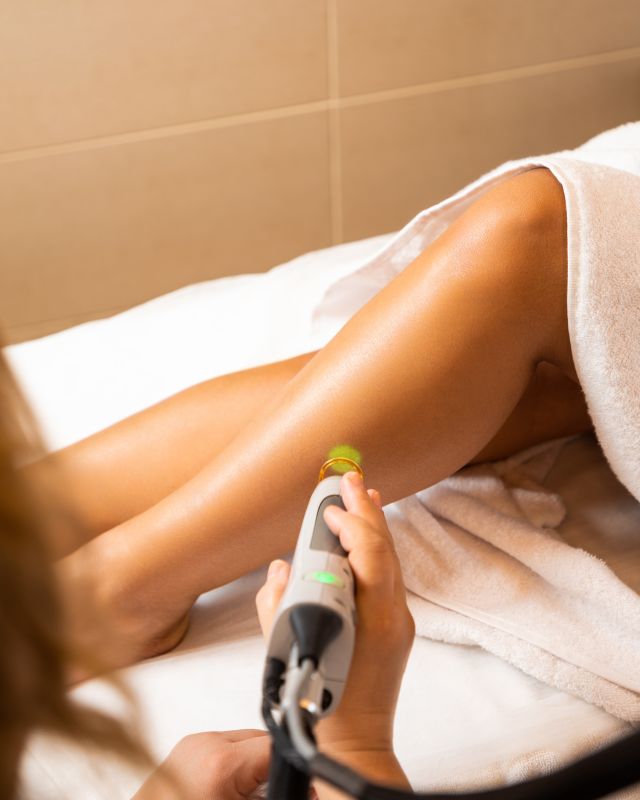
How Medical-Grade Laser Hair Removal Solves the Problem at the Root
Unlike surface methods that manage hair temporarily, a course of medical-grade laser hair removal targets the anatomical structure responsible for growing the hair in the first place.
Through a clinical process called selective photothermolysis, the laser emits a concentrated beam of light at a specific wavelength. This light is absorbed by the melanin (dark pigment) inside the hair shaft and converts instantly into thermal energy. That heat travels straight down the hair root to the base of the follicle, safely cutting off the blood supply and germ cells that feed hair growth.
Once a follicle is deactivated, it can no longer produce a hair. Without a coarse hair root stretching the pore open or getting trapped beneath the surface, chronic ingrown hairs and strawberry legs clear up completely, leaving the skin smooth and even in tone.
Hormonal Hair Growth and Confidence
Laser reduction isn’t just about saving time in the shower; for many women, it is life-changing for self-esteem. Fluctuations during pregnancy, perimenopause, or conditions like Polycystic Ovary Syndrome (PCOS) can trigger unwanted, coarse facial or body hair. According to NHS guidance on managing excessive hair growth, laser hair removal is one of the primary long-term clinical treatments recommended when home methods aren’t enough. Because hormonal shifts can occasionally stimulate dormant follicles over time, a qualified specialist will tailor a course of 6 to 10 sessions alongside simple occasional top-ups to keep skin completely clear.
Salon IPL vs. Medical-Grade Nd:YAG Lasers: What’s the Difference?
One of the biggest misconceptions in the beauty industry is that all “laser” machines are the same. Many high-street salons advertise laser treatments when they are actually using IPL (Intense Pulsed Light).
IPL is not a true laser; it uses a broad-spectrum flashlamp that scatters light across the skin’s surface. Because the energy isn’t focused into a single wavelength, it struggles to reach deep, stubborn roots and cannot be used safely on darker or tanned skin tones.
By contrast, specialist clinics operating a 1064nm Nd:YAG solid-state medical laser offer far greater precision and safety:
- Deeper Penetration: The 1064nm wavelength travels deeper into the dermis than standard salon systems, targeting stubborn roots on areas like the bikini line, underarms, and legs.
- Safe for All Skin Tones: Because the Nd:YAG wavelength bypasses the melanin in the surface layer of the skin (the epidermis), it is clinically recognised as the safest gold-standard option across the entire Fitzpatrick scale—from very fair skin right through to deep, melanin-rich complexions.
- Built-In Skin Cooling: Modern medical systems pair ultra-fast pulses with advanced skin cooling, turning what people assume is a painful treatment into a gentle, comfortable experience.
3 Questions to Ask Before Choosing a Laser Clinic
Before investing your time and money into a course of treatments, always do a quick background check on your provider:
- Do they insist on a patch test first? Never let a clinic treat you without conducting a full consultation and patch test at least 48 hours prior. This allows the specialist to assess your hair density, check your skin’s reaction, and calibrate the exact energy settings for your skin type.
- Are they using gel on the skin? If a practitioner applies ultrasound gel before treatment, they are almost certainly using an IPL machine or a lower-powered diode rather than a true solid-state Nd:YAG laser.
- What is the practitioner’s training? A world-class laser is only as good as the person operating it. Look for an experienced specialist trained in laser physics and skin biology who takes the time to give you an honest assessment of your expected results.
When you remove the daily hassle of razors, stubble, and skin irritation, getting dressed becomes effortless—giving you the freedom to wear whatever you love, whenever you want.

fashion-mommy
Welcome to the world of fashion-mommy, a world of fashion, lifestyle, theatre and fun. Enjoy the ride.