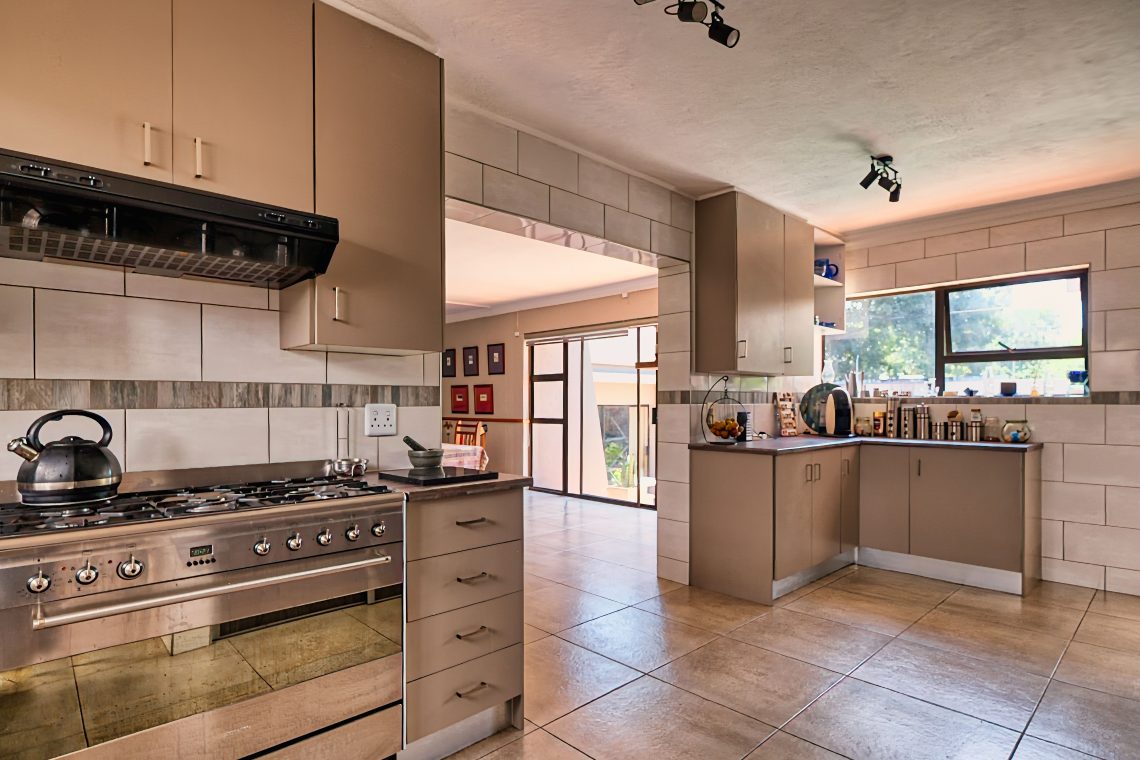
How To Make An Open-Plan Kitchen Feel Warm And Inviting
Open-plan kitchens can look lovely in photos. Then real life turns up.
School bags land on the island. Someone leaves a mug near the sofa. Dinner prep happens while homework spreads across the table. That’s not a failure of design, it’s just how homes work.
The trick is to give each part of the room a job. Cooking here. Eating there. Chatting, coffee drinking and “where did I put my phone?” somewhere in the middle.
A rug under the dining table can make the eating area feel grounded. Pendant lights over an island help the kitchen zone feel intentional, not just bright. A little chair by a window can turn a spare corner into a calm morning spot. Tiny shift. Big mood change.
Warm Up the Materials
A warm kitchen doesn’t need to look country cottage. It doesn’t need gingham curtains or a dresser full of floral plates, unless that’s the look. Warmth usually comes from texture.
Wood helps. Always. Timber stools, oak shelves, a chunky chopping board or even a wooden fruit bowl can soften all those shiny surfaces. Stone, rattan, linen, ceramic and brushed metal do the same in their own way.
A kitchen builder will usually focus on layout, function and the practical bones of the room, which matters, of course. But the best open-plan spaces happen when the finishes feel as considered as the floor plan. A kitchen should work hard without looking like it clocks in for a shift.
Color matters too. Cream, clay, warm white, olive, soft grey, dusty blue and sandy beige all bring a gentler feel. Bright white can still work, but it needs warmth around it. Otherwise it can feel a little too clinical. Nice for a spa. Less nice when someone’s making toast in pyjamas.
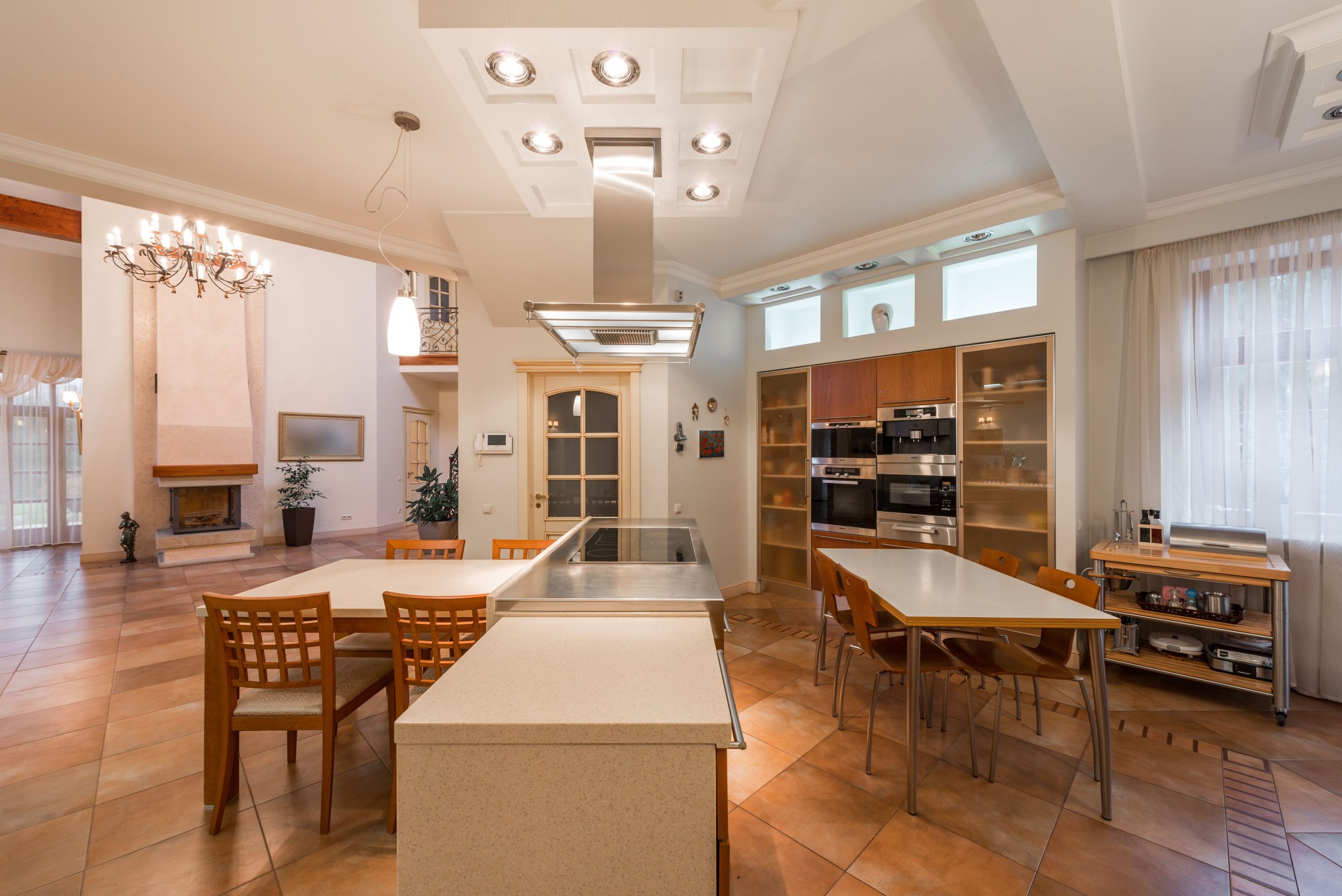
Don’t Let Lighting Do Just One Job
One bright ceiling light is rarely enough. It helps when cleaning. Great. But at dinner time, it can make the whole room feel like a supermarket aisle.
Layered lighting works better. Ceiling lights for the practical stuff. Pendant lights for atmosphere. Under-cabinet lighting for chopping, stirring and pretending the kitchen is tidier than it is. A small lamp on a sideboard can help too, if there’s space.
Yes, a lamp in a kitchen. It sounds odd until it works.
Warm white bulbs are worth choosing. Cool bulbs can make food look flat and faces look tired, which is not the energy anyone needs after a long day. Softer lighting gives timber, paint and stone a richer look. It’s an easy change, but it can alter the whole feel of the room.
Add Softness Where You Can
Kitchens are full of hard things. Cabinets. Counters. Appliances. Floors. Handles. Doors. So the room needs softness somewhere, especially when it connects to the living area.
Upholstered dining chairs can make a big difference. Cushions on a bench seat help a family eating area feel less rigid. Curtains, Roman blinds or even a textured blind can take the edge off a large window.
The small stuff counts as well. A striped tea towel. A ceramic jug. A bowl of lemons. A vase with supermarket flowers that somehow looks more charming because it wasn’t planned too much.
Perfectly styled kitchens can feel cold. A few real-life details make them easier to love.
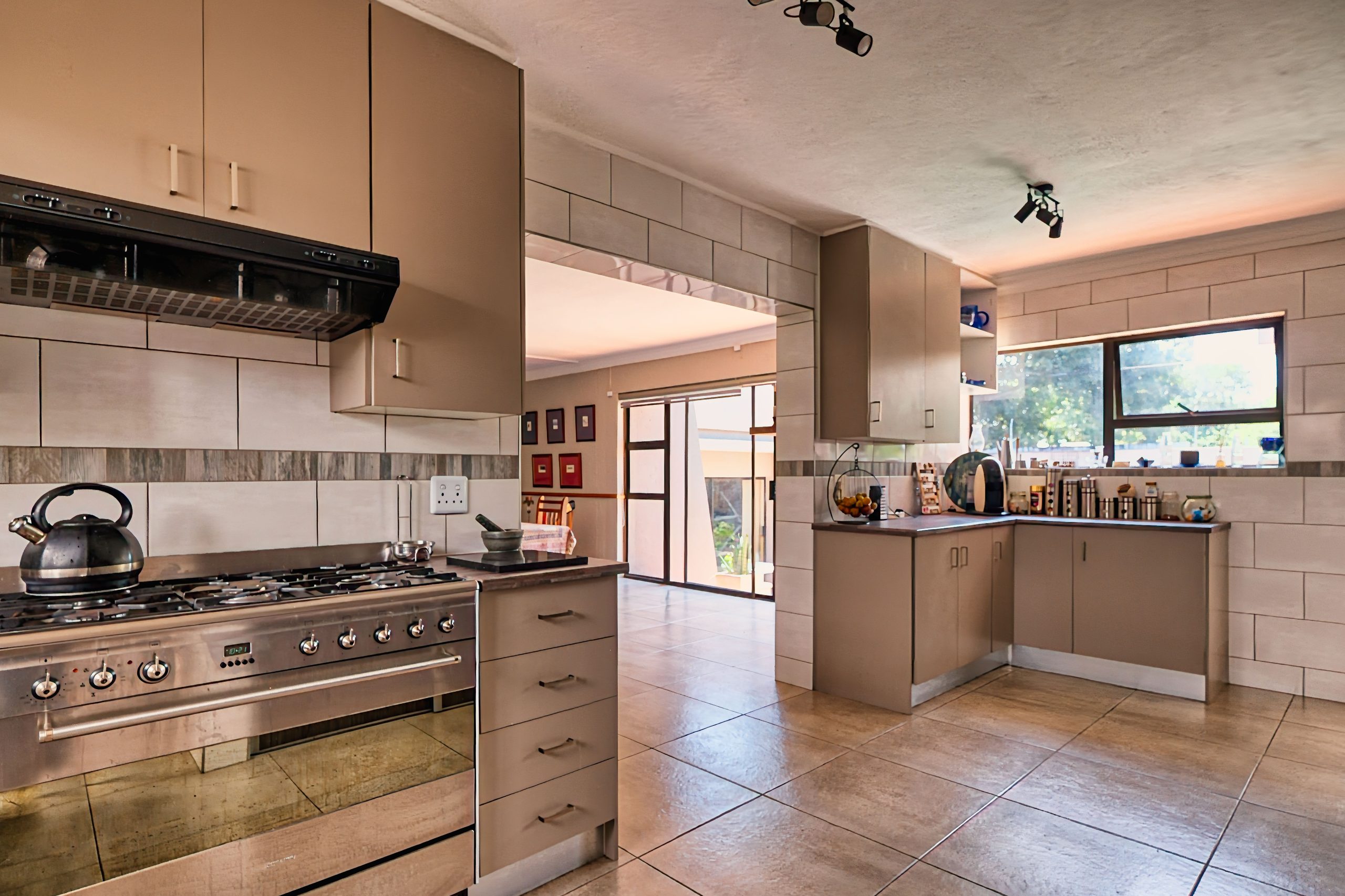
Keep the Clutter From Taking Over
There’s cozy, and then there’s every-surface-is-shouting-at-you. Open-plan kitchens need a bit of discipline because the mess doesn’t stay in the kitchen visually. It follows you to the sofa.
Closed storage is useful, but open display can still look beautiful when it holds things people actually use. Mugs. Plates. Cookbooks. A favorite jug. Not a random army of jars, vases and decorative bits that need dusting every three days.
This is where smart storage ideas earn their keep. Deep drawers, pull-out pantry sections, appliance cupboards and hidden charging spots can stop daily clutter from spreading across the room. Especially cables. Cables have no shame.
Clearer surfaces also make the pretty things stand out more. A nice lamp, a bowl, a plant, a stack of books. Give them space to breathe.
Bring in Personality
A kitchen should feel like someone lives there. Not like a rental listing. Not like a showroom where everyone whispers.
Art helps with that. It’s often forgotten in kitchens, yet open-plan layouts give it a real chance to shine because the kitchen blends into the dining and living space. A small gallery corner, a piece above a sideboard or framed art prints leaning on a shelf can make the room feel personal without stealing counter space.
The choice doesn’t need to be serious. Food illustrations can look sweet. Abstract shapes can feel fresh. Vintage-style travel prints add charm. Family photos can work too, as long as they sit away from steam, grease and splash zones. Kitchens are friendly places, but they’re not kind to paper.
Make the Seating Feel Easy
People gather in kitchens. Even when there’s a perfectly good living room right there, they still drift toward the snacks. It’s practically a law.
So seating matters.
Bar stools should be comfortable enough for more than five minutes. Dining chairs should feel relaxed, not stiff. A built-in bench can make a small dining spot feel snug and family-friendly. A round table often softens an open-plan room because it encourages conversation without making the layout feel too formal.
Space matters, though. No one wants to squeeze past a chair every time the dishwasher opens. Warm and inviting should still mean easy to move through.
Let It Look Lived-In
The nicest open-plan kitchens usually have a little looseness to them. A cookbook left open. A candle on the table. A plant near the sink. A favorite mug beside the coffee machine.
Not mess. Life.
That’s the balance. Keep the layout practical, use materials with warmth, soften the hard edges and add things that feel personal. An open-plan kitchen doesn’t need to be perfect to feel inviting. In fact, it’s better when it isn’t.

fashion-mommy
Welcome to the world of fashion-mommy, a world of fashion, lifestyle, theatre and fun. Enjoy the ride.


