Stylish New Home Decorating Ideas That Don’t Break The Bank
The funny thing about moving house is that you can finally get the keys, walk through the door and immediately think about all the things you’d like to change.
The walls feel too plain, the lighting feels too bright, and somehow every room echoes. After the cost of surveys, solicitors and removal vans, however, your decorating budget may have other ideas.
The good news is that creating a home with personality doesn’t always come down to spending more money – just spending it in the right places.
Working to a budget without sacrificing design
One of the biggest mistakes people make after moving is trying to finish everything at once. You end up buying furniture to fill gaps rather than pieces you genuinely like. A better approach starts with the rooms where you spend the most time.
The living room and bedroom earn their keep every day, so improvements here tend to deliver the biggest return. Instead of replacing furniture immediately, look at what feels off about the space.
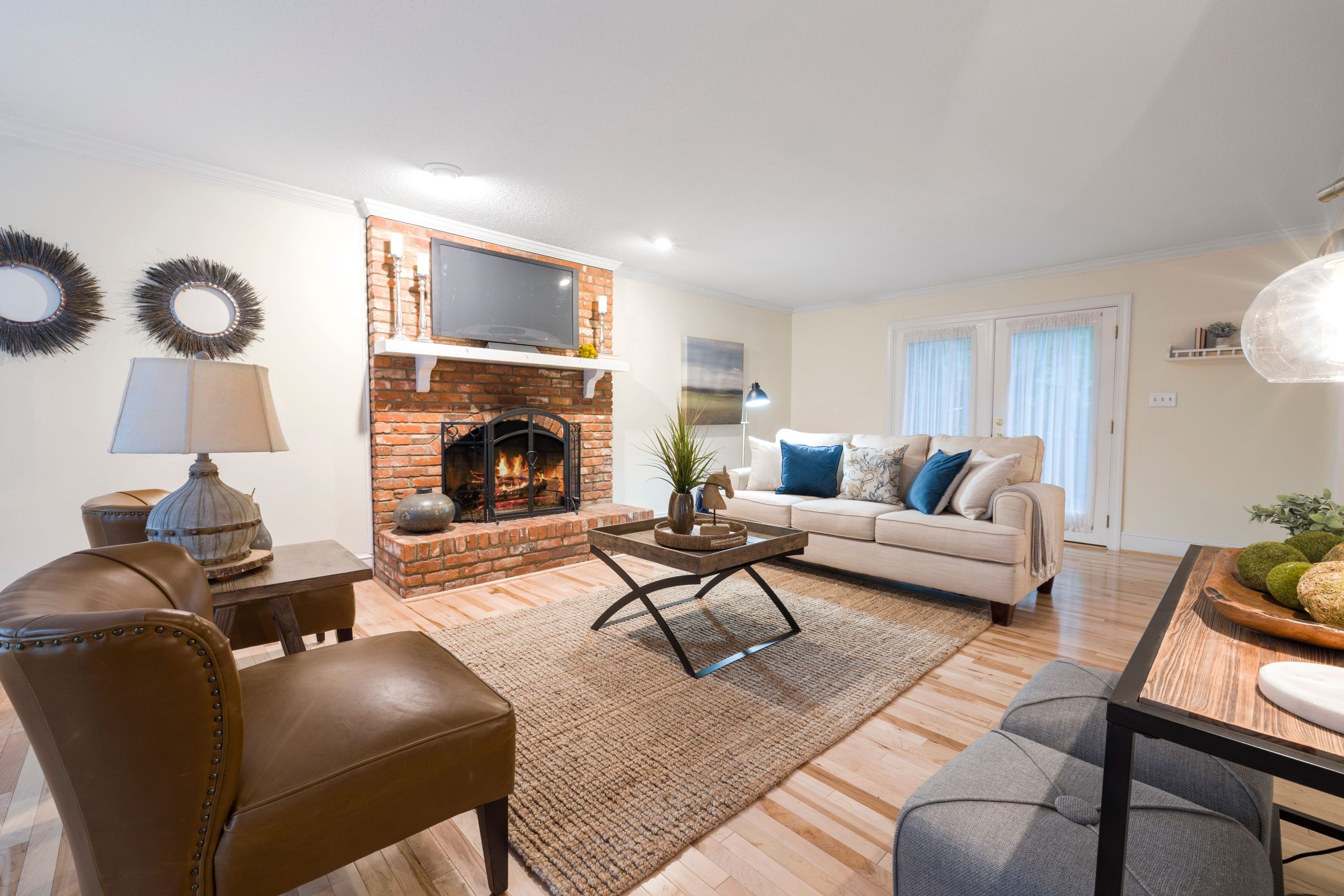
In many cases, the problem isn’t the furniture itself but where you’ve put it. A sofa pushed against the obvious wall isn’t always the best option. Moving it slightly forward and placing a lamp behind it can make the room feel far more considered.
Paint offers another shortcut. Many new houses arrive dressed in plain shades that feel safe rather than inviting. A rich olive green behind a bed or a warm stone colour in the sitting room can add depth for the cost of a few tins and a weekend.
Affordable decor ideas that instantly elevate any room
Think about the details that make boutique hotels feel appealing. They rarely rely on expensive furniture alone. Instead, they layer textures, control lighting and create points of interest for your eye to land on.
A large mirror opposite a window bounces light around the room and gives the space another view. Likewise, a rug can make furniture look as though it belongs together rather than floating awkwardly across a sea of laminate flooring.
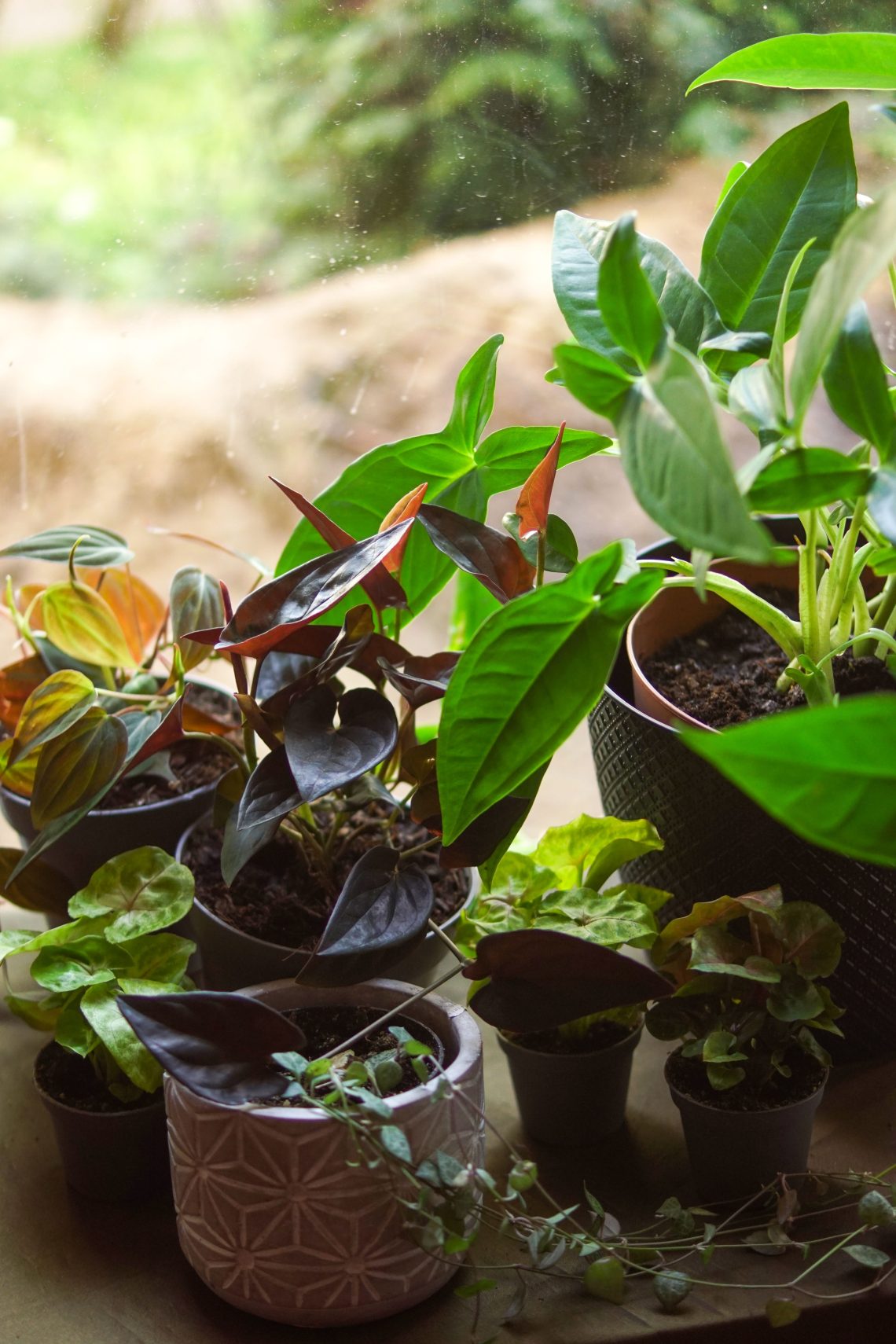
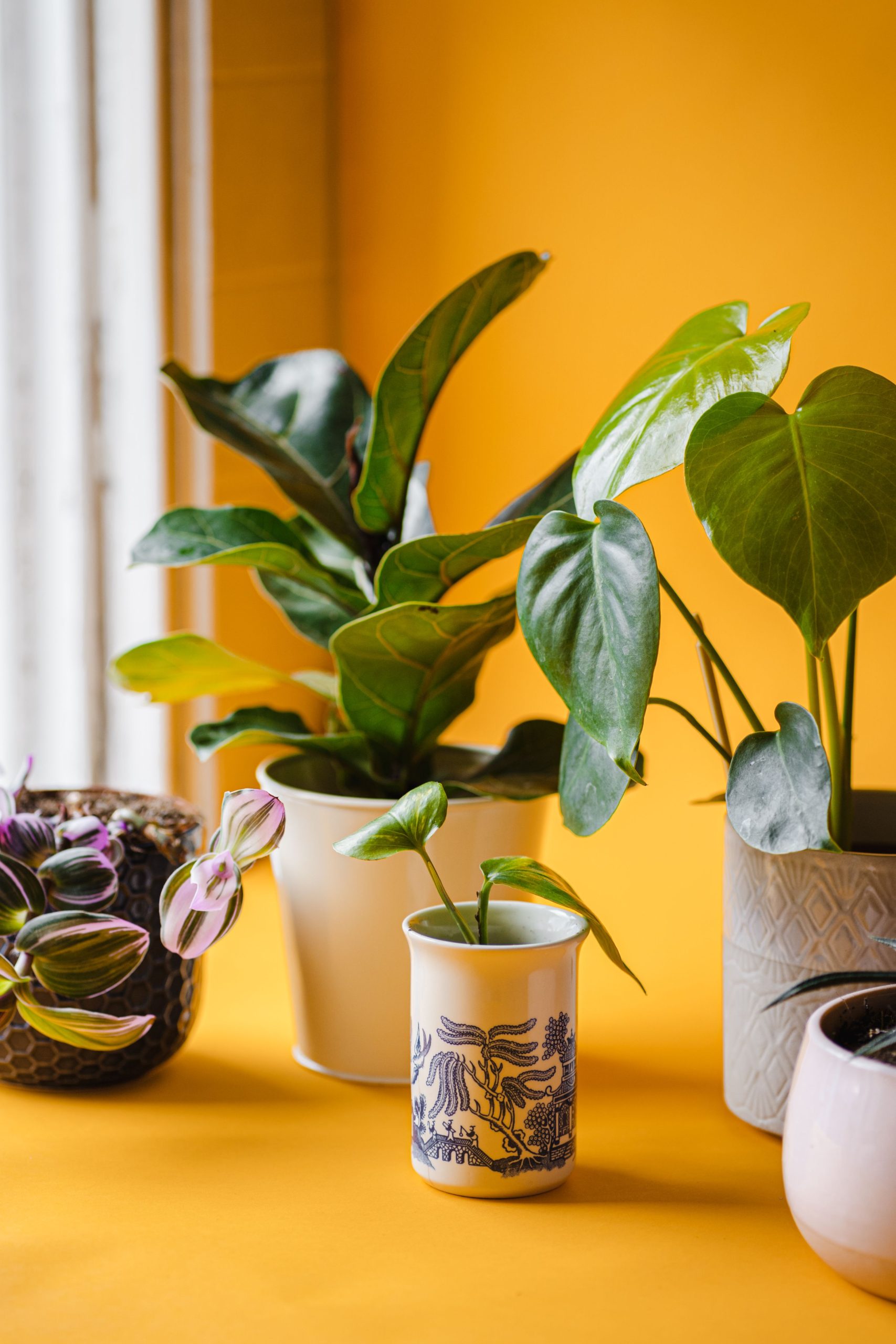
Houseplants help for a similar reason. Most interiors contain hard surfaces: plaster, glass, metal and wood. Plants introduce softer shapes and natural variation. Even a modest fern on a side table can stop a room from feeling overly polished or impersonal.
Choose one area that feels unfinished and improve only that space first. The result often influences the rest of the room more than you’d expect.
Creating a stylish and cohesive look across your new home
Many owners treat each room as a separate project, which often leads to a home that feels disconnected. You walk from a calm, neutral bedroom into a dramatic, dark-blue dining room, and then into a hallway that belongs to neither.
Creating flow doesn’t mean every room must match – they should look as though they’re part of the same story. Repeating colours, materials or shapes throughout the property helps achieve this. If black metal appears on light fittings in one room, introducing it again through picture frames or shelving elsewhere creates a subtle thread that ties everything together.
Perhaps the most budget-friendly design decision is patience. Living in a space for a few months reveals what you actually need, where you naturally spend your time and which corners deserve attention.
Homes with character develop gradually, collecting layers, memories and personal touches along the way.

fashion-mommy
Welcome to the world of fashion-mommy, a world of fashion, lifestyle, theatre and fun. Enjoy the ride.