The Evolution Of At-Home Style From Practical To Polished
At-home style has always reflected the way people live, work, rest, and express themselves behind closed doors. For generations, clothing worn at home was expected to be useful above all else: easy to wash, loose enough for chores, and inexpensive enough to replace. Today, however, the boundary between comfort and presentation is far more fluid. What was once hidden from guests, cameras, and public view has become a visible part of personal identity.
The shift did not happen overnight. As homes became offices, gyms, studios, and social spaces, loungewear sets moved from an afterthought to a considered wardrobe category. People began asking more from their softest clothes: not only stretch and warmth, but flattering cuts, coordinated colors, and fabrics that could survive both a video call and a late-night movie. Comfort remained essential, yet polish became equally appealing.
Function First: The Early Home Wardrobe
For much of the twentieth century, home clothing was built around labor and modesty. Aprons protected dresses from cooking splatters, housecoats provided coverage before the day’s outfit was chosen, and sturdy robes offered warmth in drafty rooms. These garments were not necessarily stylish, but they made sense. Their value came from durability, affordability, and ease. A frayed hem or faded print mattered less than whether a garment could handle laundry day, childcare, cleaning, or an unexpected knock at the door.
The Rise of Casual Confidence
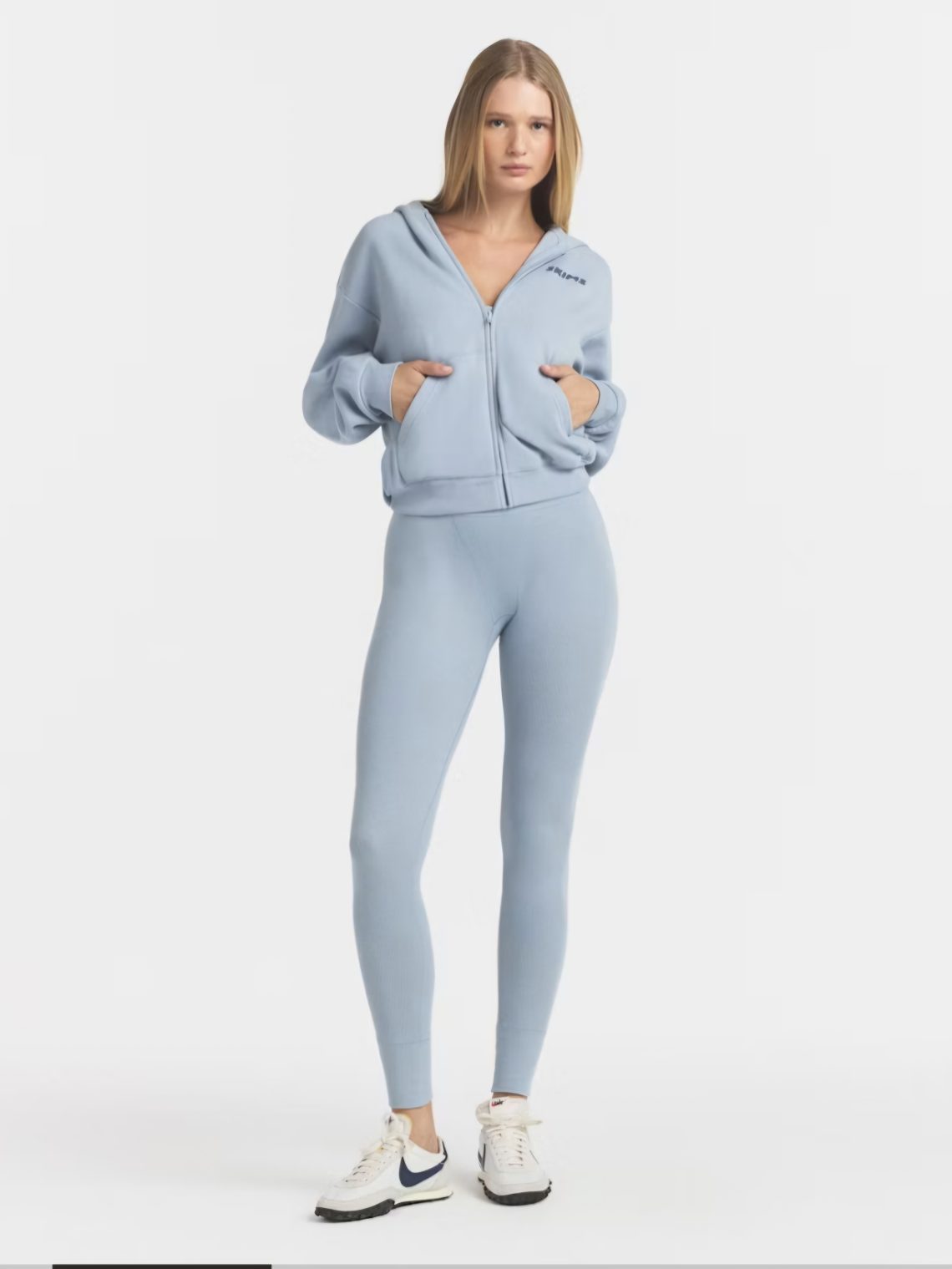
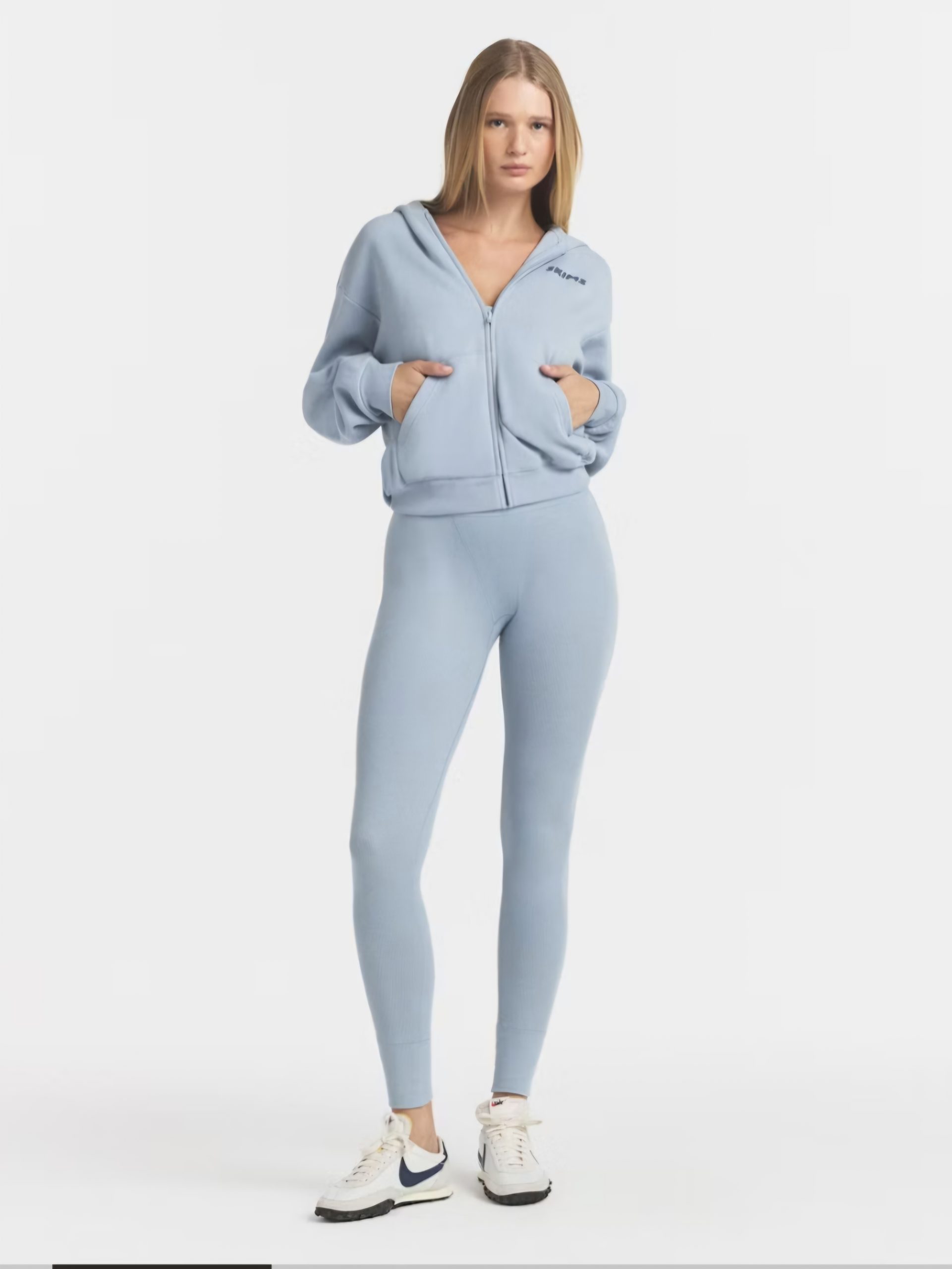
By the late twentieth century, casualwear changed the expectations for home dressing. Athletic brands popularized sweatshirts, joggers, leggings, and sneakers as everyday essentials rather than gear reserved for sports. The influence of music, street style, and celebrity culture made relaxed silhouettes feel current. A T-shirt and drawstring pants could suggest ease, youth, and confidence. Instead of dressing down by default, people began dressing casually on purpose, and the home wardrobe absorbed that attitude.
Work From Home, Seen From Home
The digital era accelerated the move toward refined comfort. Remote meetings placed living rooms, kitchens, and shoulders-up outfits on display, turning private clothing choices into semi-public statements. A rumpled old shirt suddenly felt less harmless when framed by a laptop camera. Consumers looked for pieces that felt soft against the skin but still looked intentional on screen. Neutral palettes, ribbed textures, neat collars, and elevated knitwear helped create an image of calm competence without sacrificing relaxation.

Fabric, Fit, and the New Standard
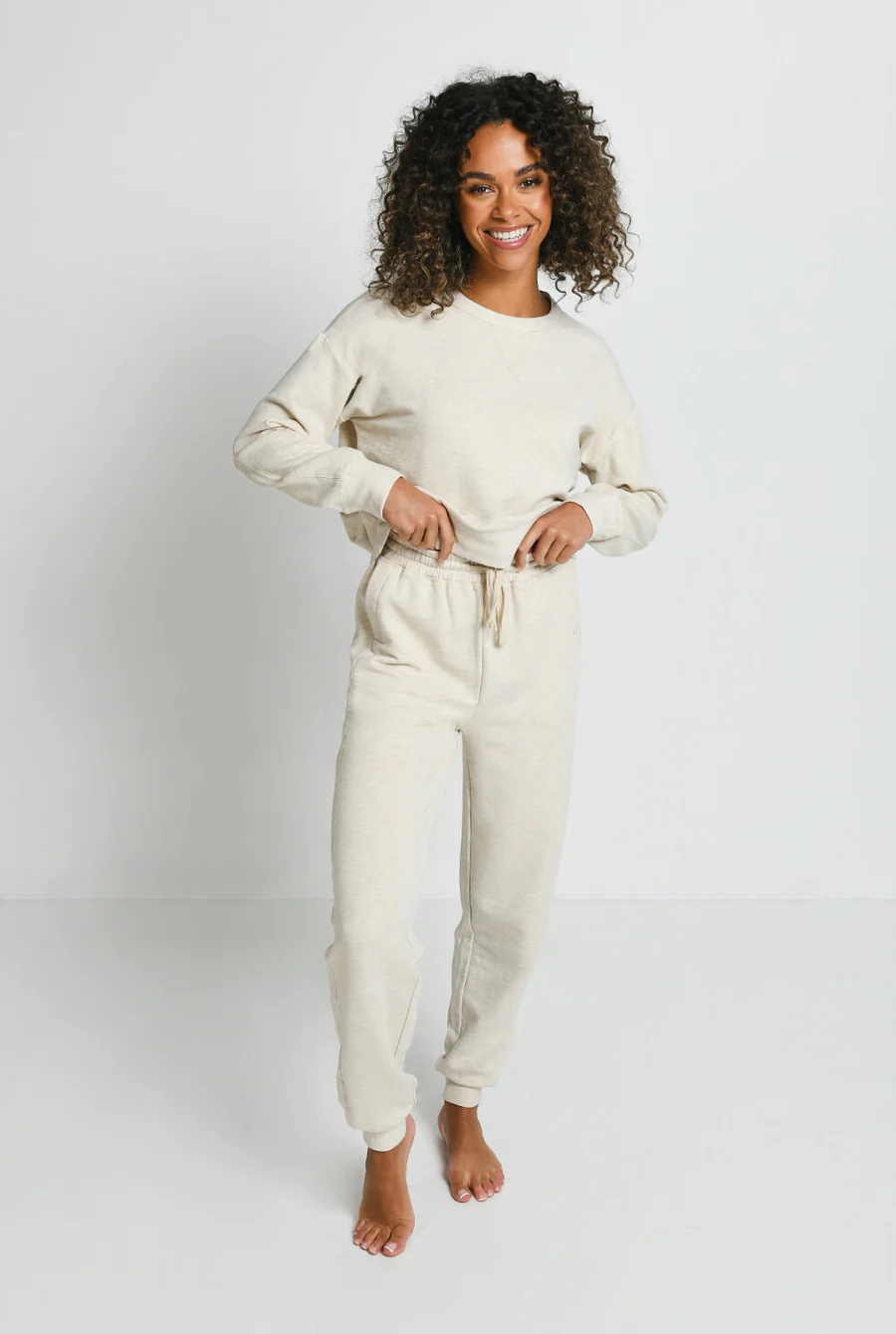
Modern at-home style is defined by details that used to belong mainly to clothes worn outside. Seams are placed to flatter, waistbands are smoother, and fabrics are chosen for drape as much as softness. Cotton blends, modal, bamboo viscose, fleece, cashmere, and performance knits each offer different versions of ease. The best pieces move with the body, resist sagging, and transition easily from the sofa to the mailbox, school pickup, or a quick coffee run.
Polish Without Performance
One of the biggest changes is psychological. Dressing well at home is about more than just being ready for visitors or avoiding embarrassment. It can also shape mood, productivity, and self-respect. Pulling on a co-ordinated outfit may signal the start of a focused morning; changing into softer layers may mark the end of the workday. At-home clothing now supports routines, boundaries, and self-care, even when no one else is watching.
A More Personal Future
The future of at-home style will likely be less about a single uniform and more about personalization. Some people want minimalist pieces in cream, gray, or black; others prefer cheerful color, playful prints, or luxurious textures. Sustainability will also matter, with shoppers seeking fewer, better garments that wash well and last longer. Technology may add temperature regulation, antimicrobial finishes, or adaptive fits, but the core desire will stay simple: clothing that feels good and looks considered.
From practical housecoats to camera-ready knits, the evolution of at-home style shows how life reshapes fashion. Home is no longer separate from work, wellness, community, or personal branding. As a result, what we wear there carries more meaning. The modern standard is not fussy or formal; it is comfortable, intentional, and adaptable.

fashion-mommy
Welcome to the world of fashion-mommy, a world of fashion, lifestyle, theatre and fun. Enjoy the ride.