Creating Stability Across Personal And Business Assets
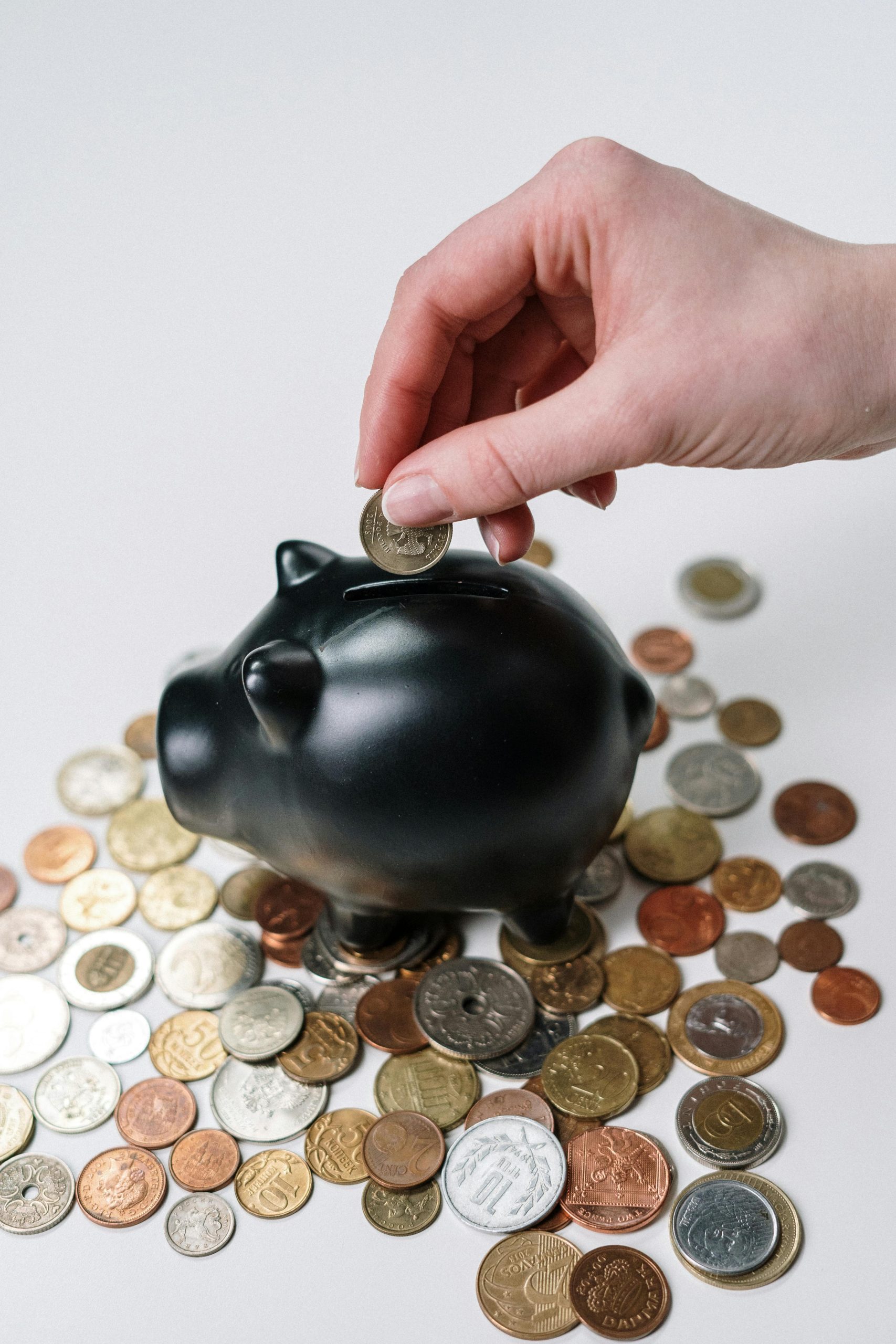
Stability sounds like a big, serious word. It isn’t always. Sometimes it looks like checking bank apps at 10 pm while reheating tea for the third time. Sometimes it’s noticing how personal money and business money blur together when life gets busy. That’s where problems usually sneak in. Not during big decisions. During tired ones.
Financial and asset stability rarely happens by accident. It grows from habits. Boring ones. The last time this approach was attempted inside a small family retail operation, everything improved once boundaries were created between personal spending and company cash flow. Not glamorous. Effective though.
There’s also an emotional side nobody talks about enough. Security isn’t just numbers on paper. It’s sleeping properly. It’s not panicking when a supplier invoice lands earlier than expected. Ever noticed how stress drops the moment there’s a buffer? Exactly.
Homes, Identity, and Long-Term Anchors
Property choices carry weight far beyond resale value. A home can double as emotional security and long-term strategy if handled thoughtfully. Many households are exploring options like designer modular homes because they offer flexibility, predictable build timelines, and cost control. The appeal isn’t only aesthetic. It’s practical stability wrapped in good design.
The last time a housing shift like this was observed in a growing suburban area, families moved faster on life plans. Kids settled quicker. Businesses stabilized because housing costs stopped fluctuating wildly. That matters more than glossy brochures ever will.
Property decisions also shape future financial pathways. A single well-chosen property investment can create breathing room during economic swings. Not overnight wealth. Just resilience. And honestly, resilience beats hype every single time.
Housing stability often becomes the anchor point everything else rotates around. Business risk feels less scary when personal living costs feel predictable. It’s psychological. And real.
When Business Becomes Personal
Small and mid-size businesses almost always overlap with personal identity. That’s not a weakness. It’s reality. The tricky part comes when growth outpaces structure.
One pattern shows up repeatedly. Owners focus heavily on revenue growth but delay planning for ownership transitions. Then life happens. Health changes. Family priorities shift. Markets wobble. Suddenly decisions need to be made fast, and fast rarely equals smart.
This is where conversations around business succession planning quietly become essential. Not dramatic. Just necessary. The last time a multi-generation service company ignored this step, internal tension built long before financial issues appeared. Money wasn’t the problem. Uncertainty was.
Succession planning isn’t only about retirement. It’s about optionality. Having choices. Being able to step back temporarily without everything collapsing. That kind of control is underrated.
The Emotional Math Nobody Talks About
Numbers matter, but feelings drive decisions more than spreadsheets do. Fear causes rushed sales. Overconfidence causes reckless expansion. Stability sits somewhere in the middle. Calm. Boring. Reliable.
There’s something oddly comforting about predictable systems. Automated savings. Scheduled tax allocations. Separate emergency funds. None of it feels exciting while setting it up. Months later, it feels like oxygen.
Ever wondered why some people seem calm during financial turbulence? Usually it’s preparation, not luck. Quiet preparation. The unsexy kind.
A business owner once described stable asset planning as “financial noise cancelling headphones.” That stuck. Because it’s true. Chaos still exists outside. It just doesn’t dominate decision making anymore.
Balancing Growth With Protection
Growth gets headlines. Protection keeps people in the game long enough to grow again. Both matter. But protection often gets ignored because it feels defensive. Humans love offense. Winning. Expanding. Scaling.
Protection looks like diversification. Insurance reviews. Legal structure updates. Boring meetings with accountants that somehow save thousands later. Not thrilling. Extremely useful.
There’s also the mindset shift. Stability doesn’t mean avoiding risk completely. It means choosing risks that won’t destroy everything if they fail. Smart risk. Calculated risk. Sleep-at-night risk.
Some of the most financially steady households and businesses share one trait. They plan for things they hope never happen. And weirdly, that planning creates confidence to pursue opportunities when they appear.
Building Stability That Actually Feels Sustainable
True asset stability usually builds slowly, almost quietly. No viral success stories. No overnight transformations. Just consistent decisions stacking over time.
The strongest financial foundations tend to come from clarity. Knowing what supports daily life. Knowing what supports future goals. And knowing which assets serve emotional security versus financial growth.
It’s not about perfection. Not even close. It’s about building systems strong enough to handle imperfect days. Because those days always show up.
And when they do, stability doesn’t look dramatic. It looks like options. Choices. Breathing space. Honestly, that’s enough.

fashion-mommy
Welcome to the world of fashion-mommy, a world of fashion, lifestyle, theatre and fun. Enjoy the ride.